-
Let me rein this in. I think all these products, services, hardware, software… it’s all starting to feel very, very unnecessary. It seems to me that companies like Apple are not content with their total market saturation, so they have to double-down on that. It’s not enough to just have a phone or a computer, with new ones every few years. You need Apple Watches and iPads and HomePods too.
Enshittification comes for us all.
-
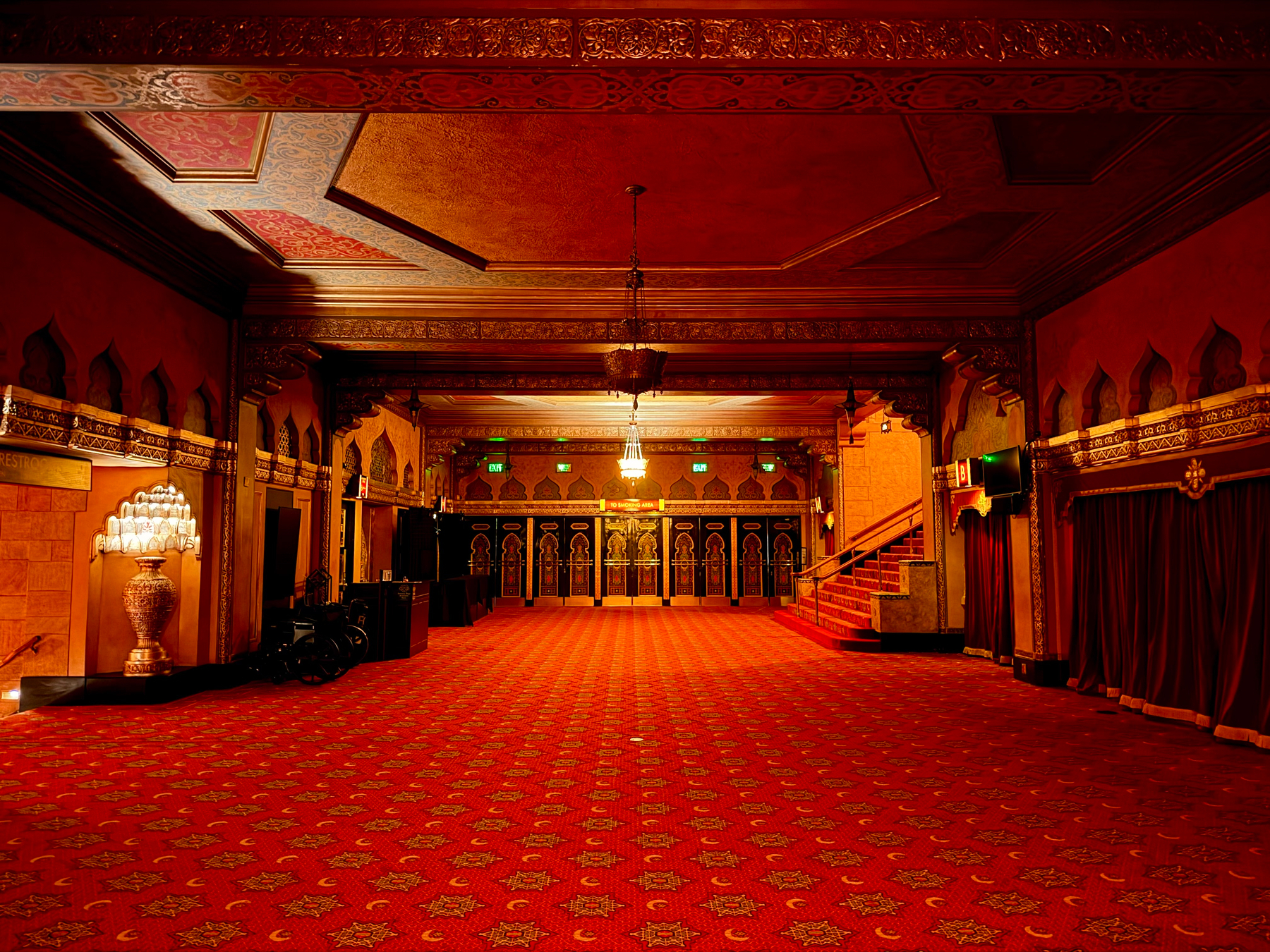
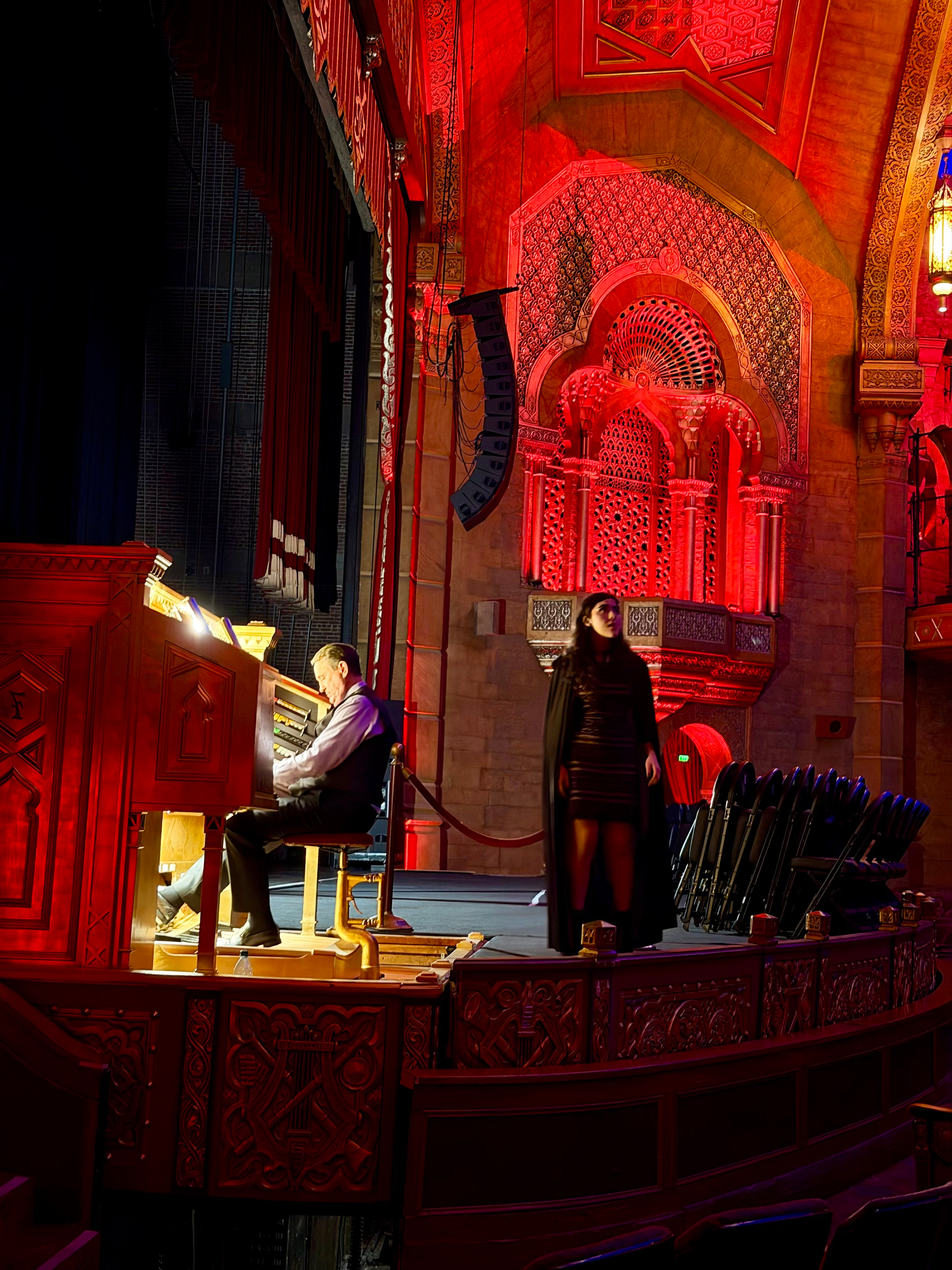
Went on a ghost tour of Fox Theater last night. Was fun to learn the history of the building and see it empty and dark.

-
Treat your to-read pile like a river | Oliver Burkeman
I think this is good advice!
It’s something I put into practice with my RSS feed reader. I realized that readers with unread counts and an inbox/email like design were just not a good fit for me.
-
Anthropic IPO leak is insane : r/stocks
I always thought the purpose of a business was to make more money than they spend. Not in the AI age!
-
Check out this cool project to feature independent blogs!
And see if you can find this website in the grid!
-

Finished reading: A Bold Return to Giving a Damn by Will Harris 📚
I’ve been on a bit of a White Oak Pastures kick lately. It started with seeing a local screening of Groundswell where Will Harris was part of the Q&A panel after the film.
Coincidentally, a few weeks after seeing the film we were traveling to the Florida panhandle with the intention of stopping at White Oak. After the stop, started listening to the audiobook which tells the story of how White Oak converted from industrial cattle farming to a fully regenerative and humane process.
-
Introducing Claude Opus 5.5 \ Anthropic
Because Opus 5.5 is comparable to Claude Mythos 5.1 in biology and cybersecurity, we’re deploying it with safeguards similar to those on Claude Fable 5.1. Vetted organizations can apply today to our Life Sciences Verification Program to use Opus 5.5 for biology research. In the coming weeks we will also be expanding access to our Cyber Verification Program, and verified cybersecurity practitioners will be able to use Opus 5.5 for their work.
If it’s so good at biology, cure cancer. I dare you.
-
Hearing the news of the OpenAI Hugging Face hack didn’t alarm me in the sense of “this is clearly the end of humanity.” But I couldn’t put my finger on why. Cory Doctorow provided the words I couldn’t come up with.
Pluralistic: LLMs are real, AI is fake (12 Sep 2026) – Pluralistic: Daily links from Cory Doctorow
Which is not to say that the OpenAI/Hugging Face hack is nothing. It’s something, all right: but it’s a specific something, with an explicable, even foreseeable trajectory. Once you understand that these are chatbots that were designed to complete challenges like this, using tactics like this, you can understand that the chatbots didn’t “go rogue.” They did what they were designed to do, and because OpenAI ran them with inadequate supervision (without a “human in the loop” that checked each iteration through the Python loop to ensure it hadn’t gone off the rails), they trashed a competitor’s servers.
Designing autonomous, malicious software is generally considered irresponsible and dangerous. If you showed up at Defcon and gave a talk about how your autonomous malware did something unexpected and damaged someone else’s computers, the first question from the audience would be “Why are you so shit at making secure sandboxes?” It wouldn’t be “How are you so awesome at making hacking tools?”
One big difference I can see between AI doing this vs a human: I think there would have been consequences for the human.
I also believe this continues to be part of a regulatory capture operation that OpenAI and Anthropic are both pursuing.
-

Finished reading: Jurassic Park by Michael Crichton 📚
This book could easily be interpreted as a commentary on AI, especially some of the quotes from the character Malcolm, who is very critical of science and scientific progress.
Just take a look:
“Scientists are actually preoccupied with accomplishment. So they are focused on whether they can do something. They never stop to ask if they should do something. They conveniently define such considerations as pointless. If they don’t do it, someone else will. Discovery, they believe, is inevitable. So they just try to do it first. That’s the game in science."
“What advances?” Malcolm said irritably. “The number of hours women devote to housework has not changed since 1930, despite all the advances. All the vacuum cleaners, washer-dryers, trash compactors, garbage disposals, wash-and-wear fabrics … Why does it still take as long to clean the house as it did in 1930?”
“Because there haven’t been any advances,” Malcolm said. “Not really. Thirty thousand years ago; when men were doing cave paintings at Lascaux, they worked twenty hours a week to provide themselves with food and shelter and clothing. The rest of the time, they could play, or sleep, or do whatever they wanted. And they lived in a natural world, with clean air, clean water, beautiful trees and sunsets. Think about it. Twenty hours a week. Thirty thousand years ago.”
-

Finished reading: Enshittification: Why Everything Suddenly Got Worse and What to Do About It by Cory Doctorow 📚
Good book, it’s really eye opening to see all the ways things have been enshittified.
Going to have to think some about what part I can help to play in fighting back against this.
-
Norway
After Iceland, we traveled to Oslo, Norway. Summers can be hot in Atlanta, so we wanted to visit another country with cooler temps. Norway is amazing! So much natural beauty and quiet.
We took a tour of the islands in Oslofjord (and learned it’s not technically a fjord because it was created via tectonic plate separation rather than glaciers). Here we learned about cabin culture in Norway: I think it’s around 80% of people either own or have access to a cabin. July is the main month for folks to retreat to their cabins where they enjoy nature and the nice weather.
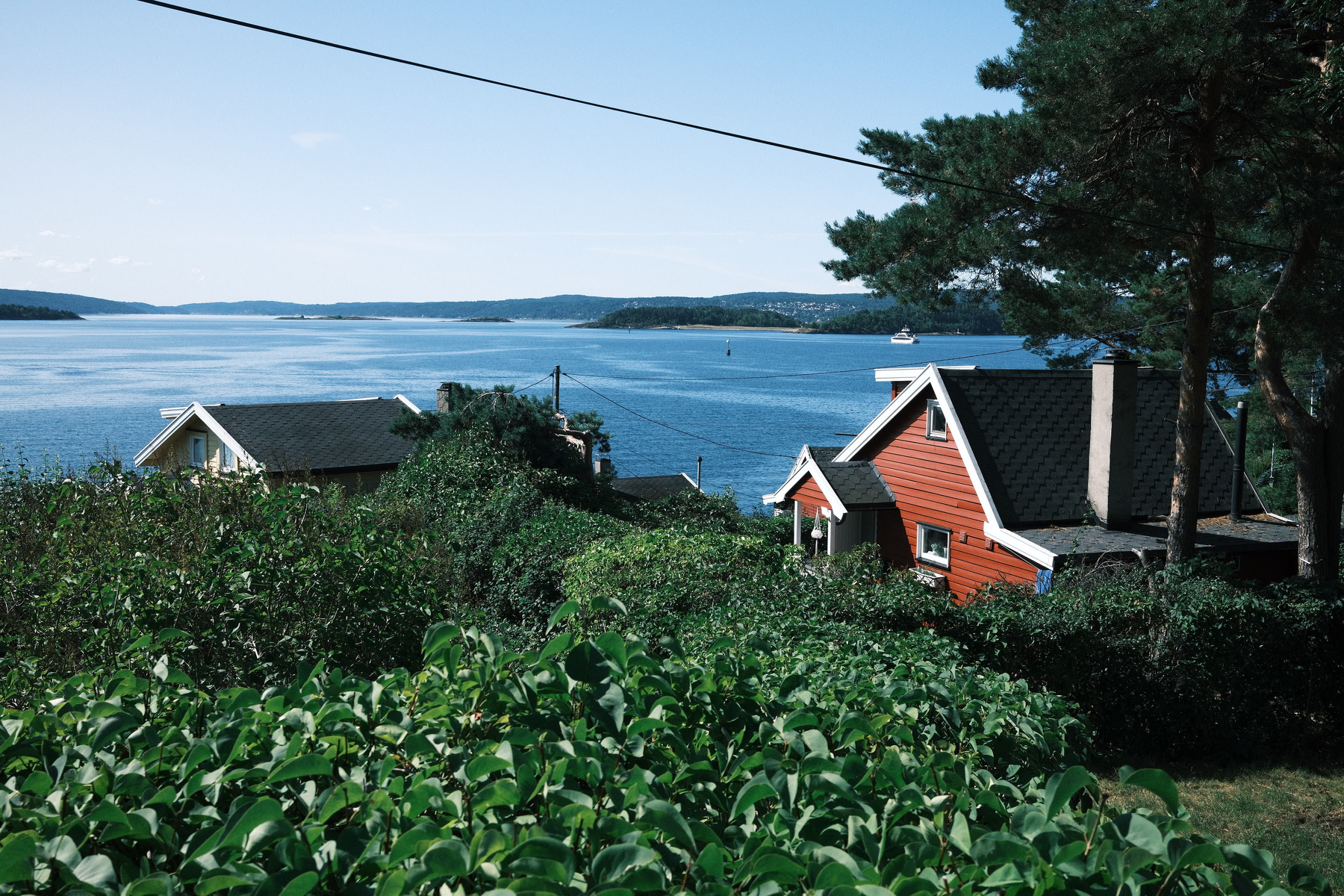
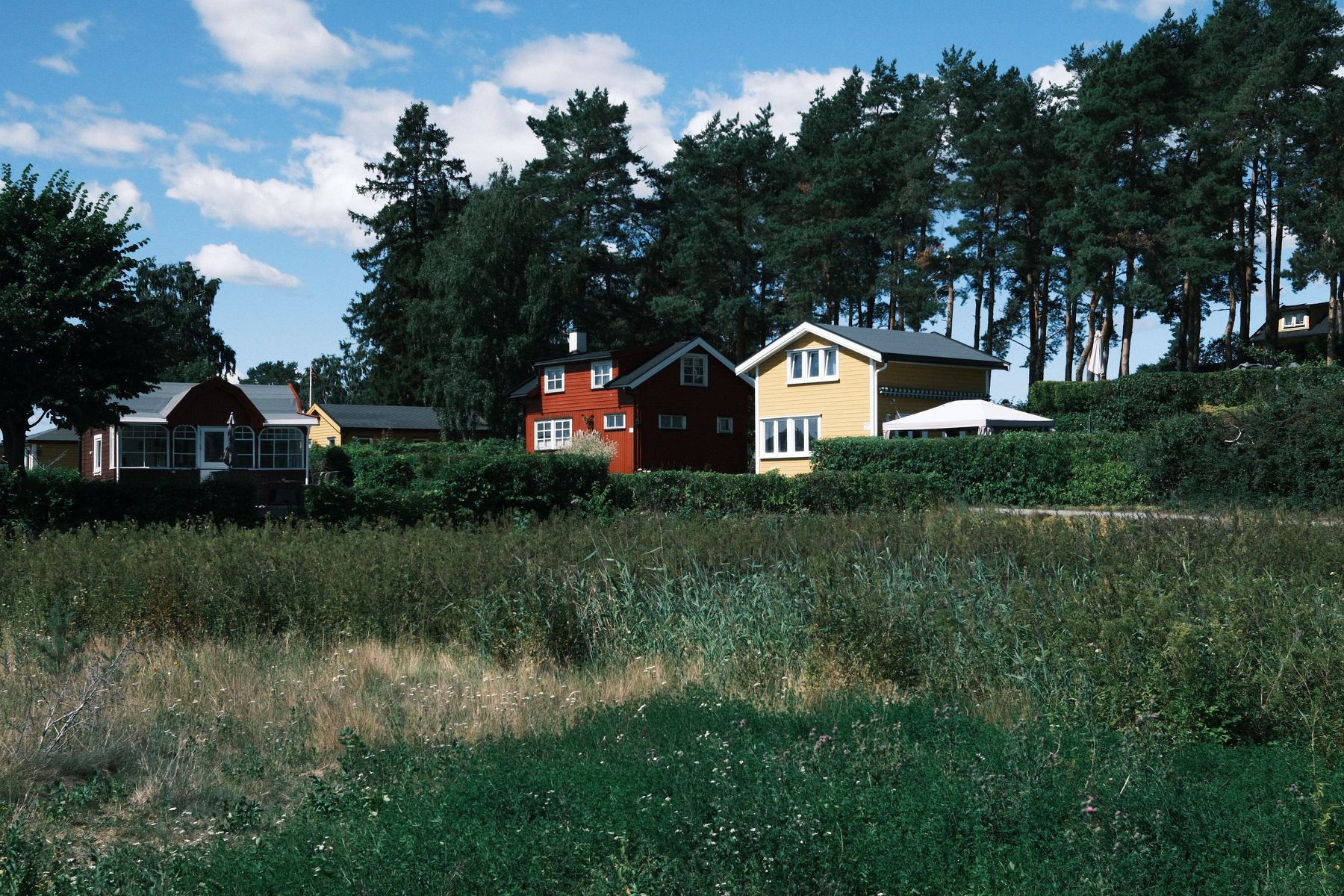
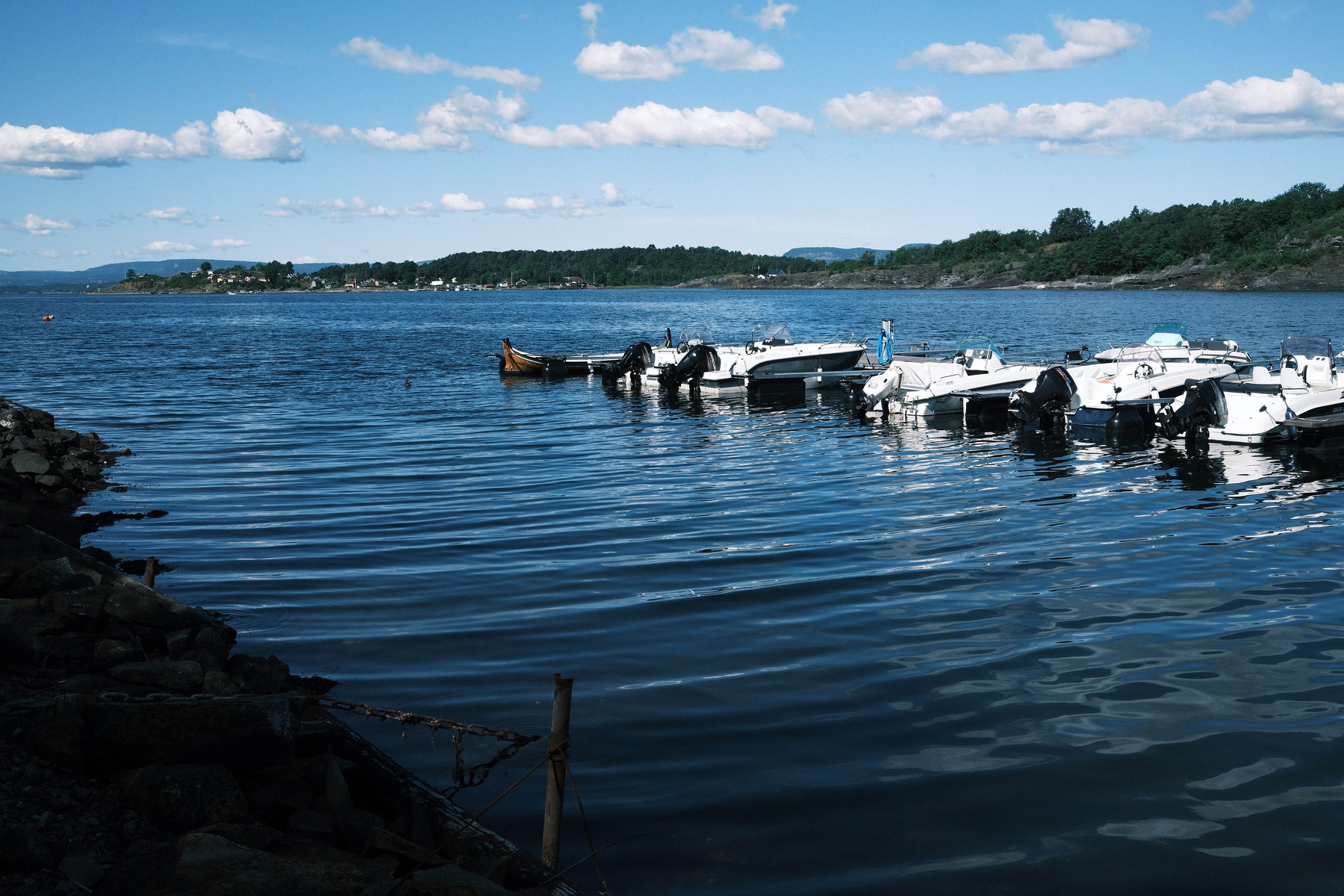
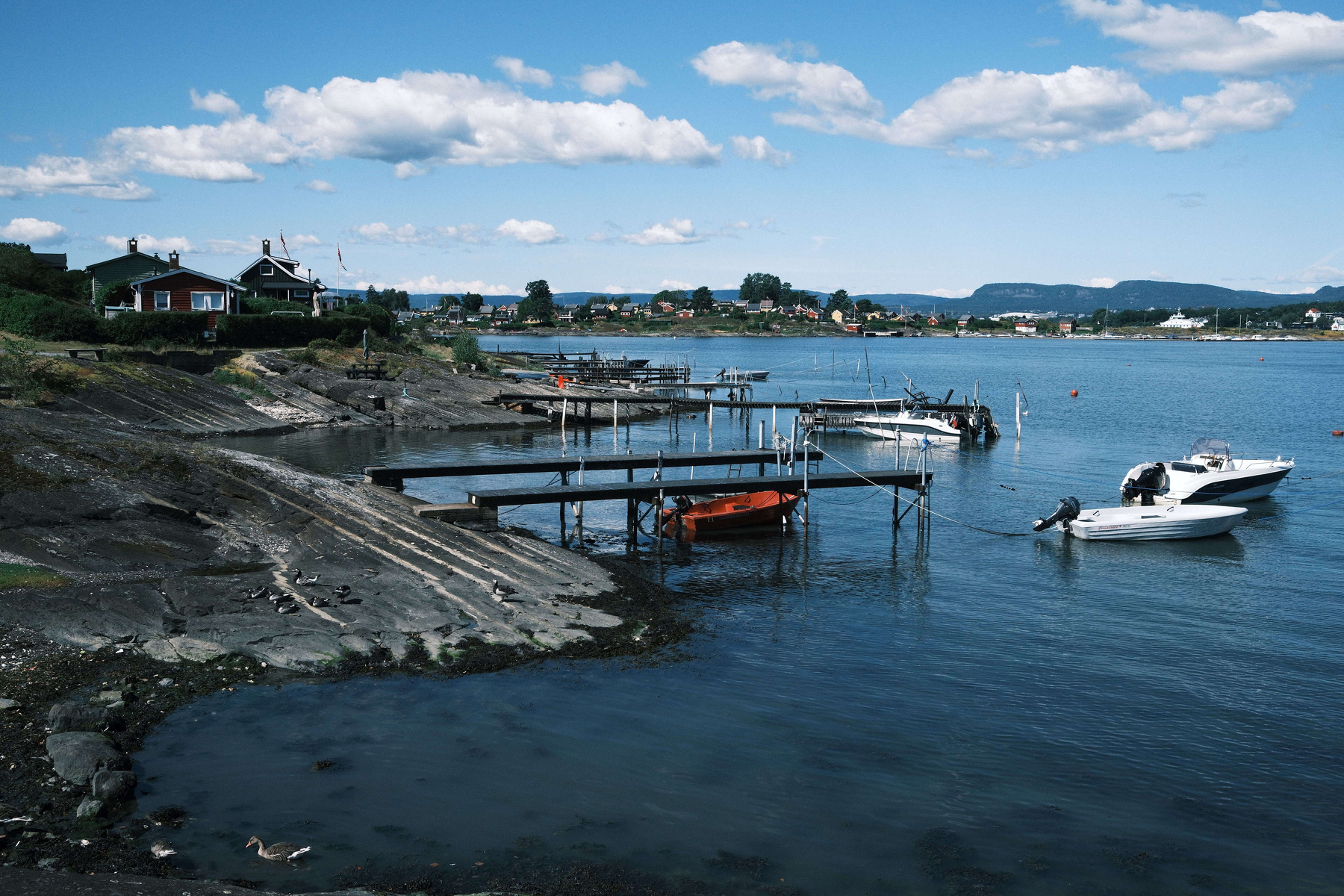
One thing I found cool is that Olso’s public transportation (including the island hopping ferry boats) has been completely converted over to battery electric. Our guide told us that Oslo wants to be the quietest city in Europe. I think their work has paid off, Oslo was very quiet!
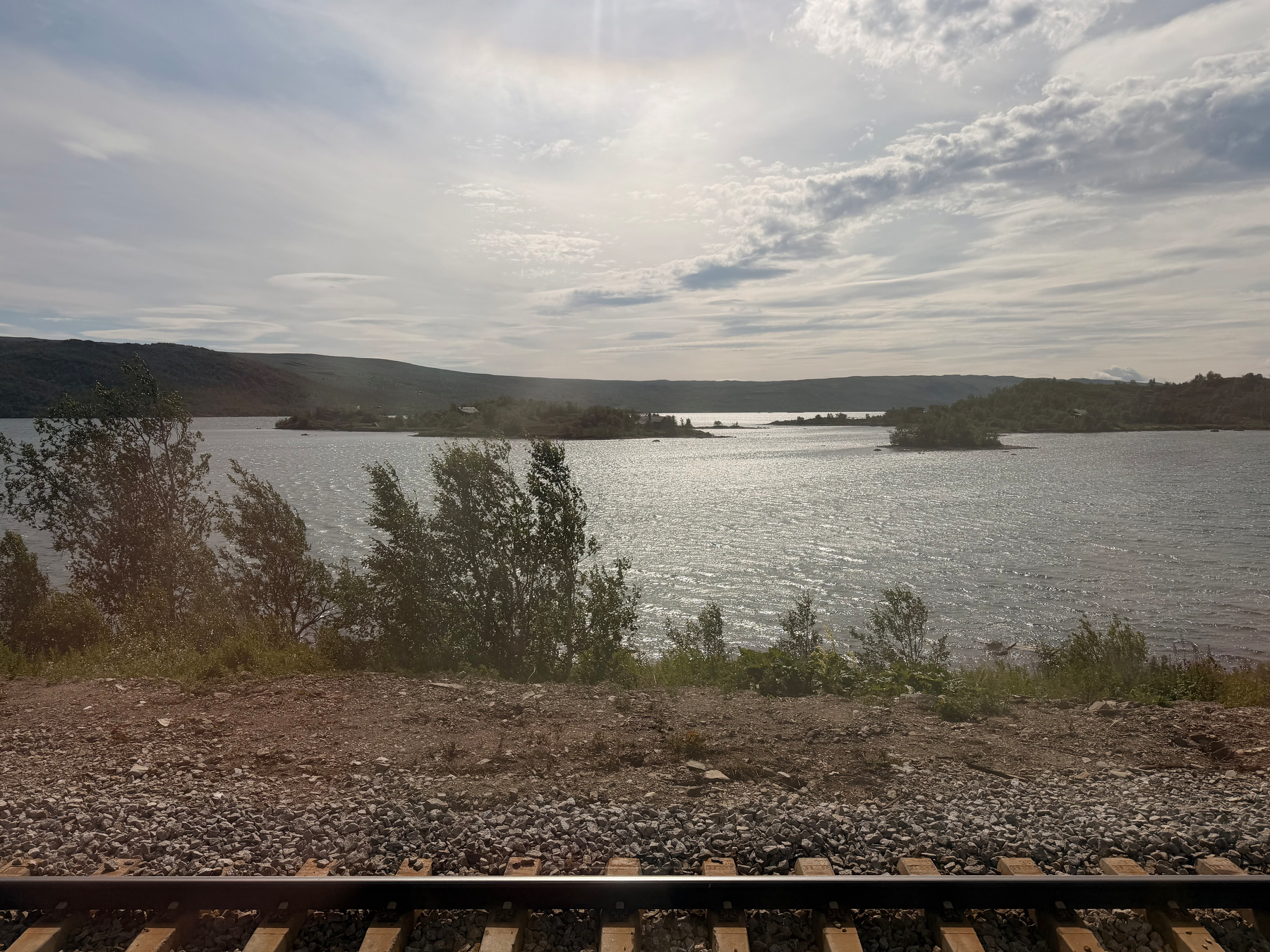
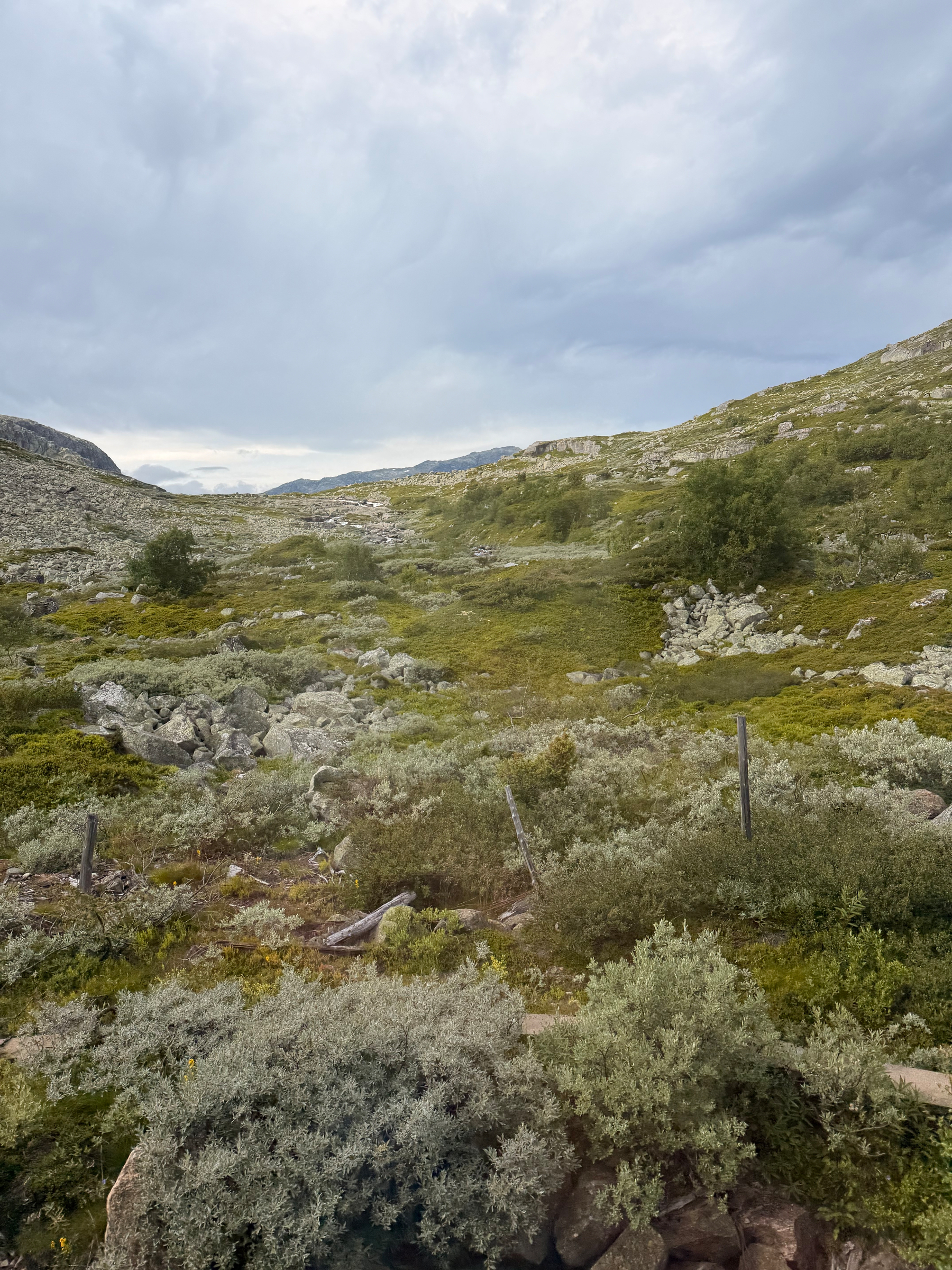
From Oslo, we headed to Bergen on the west coast via the scenic Bergensbana train.
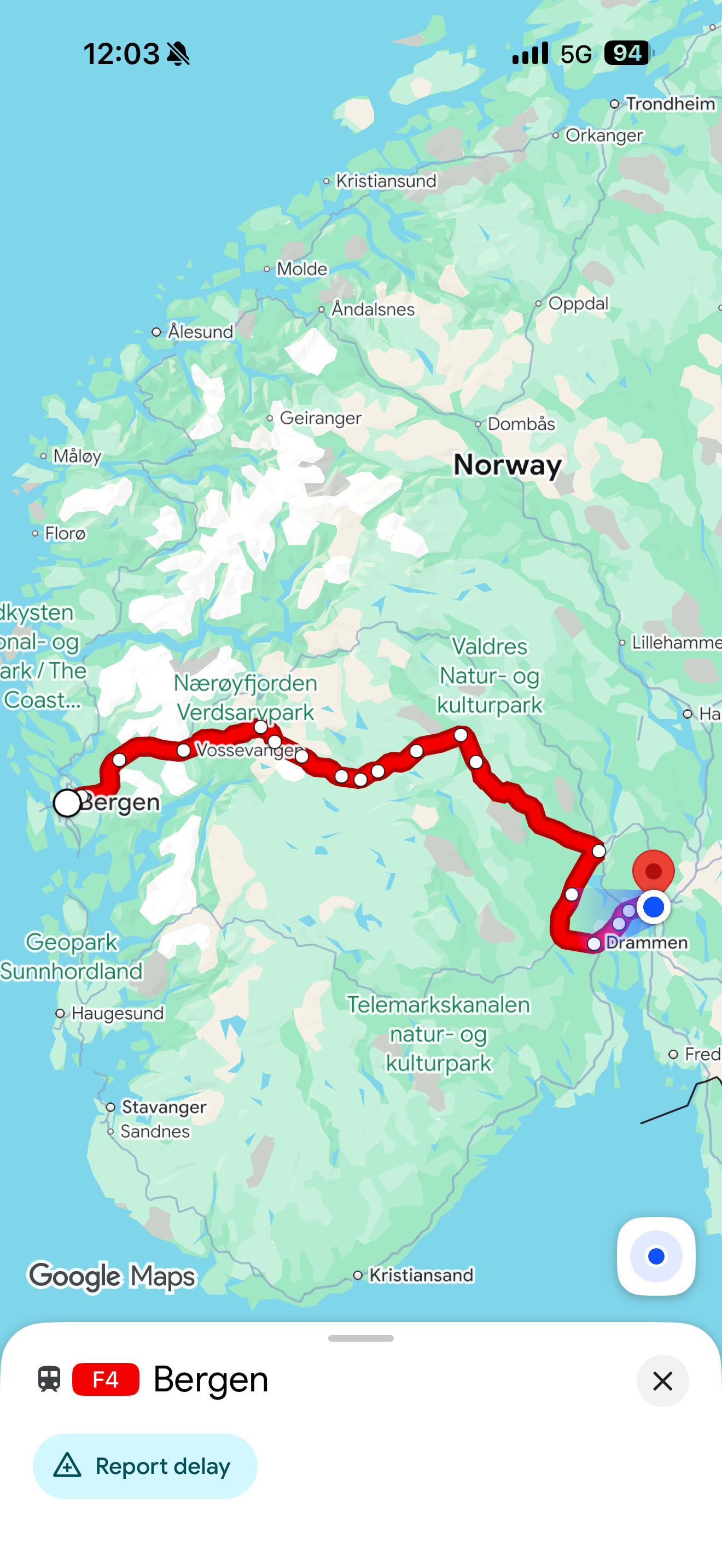
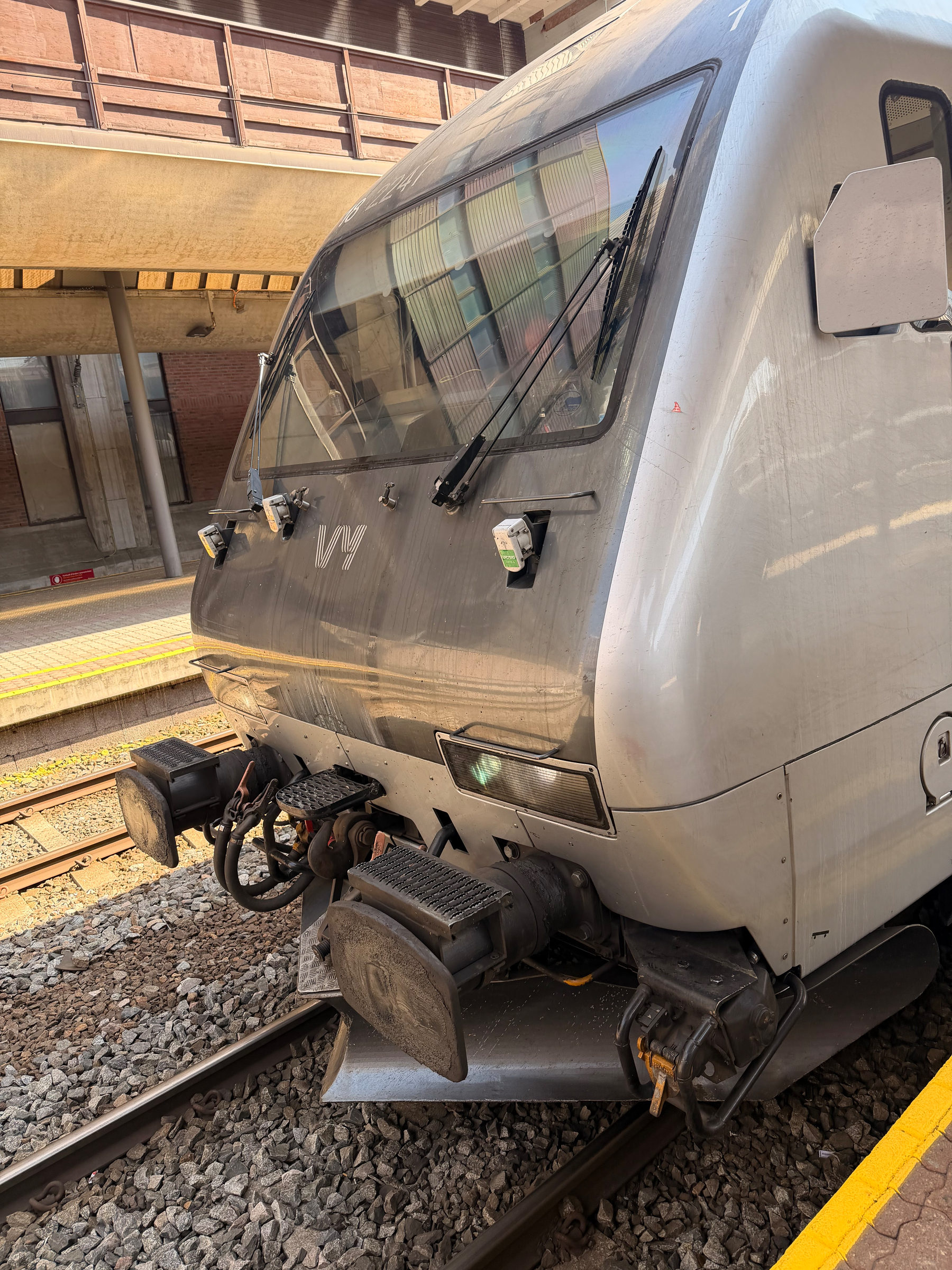
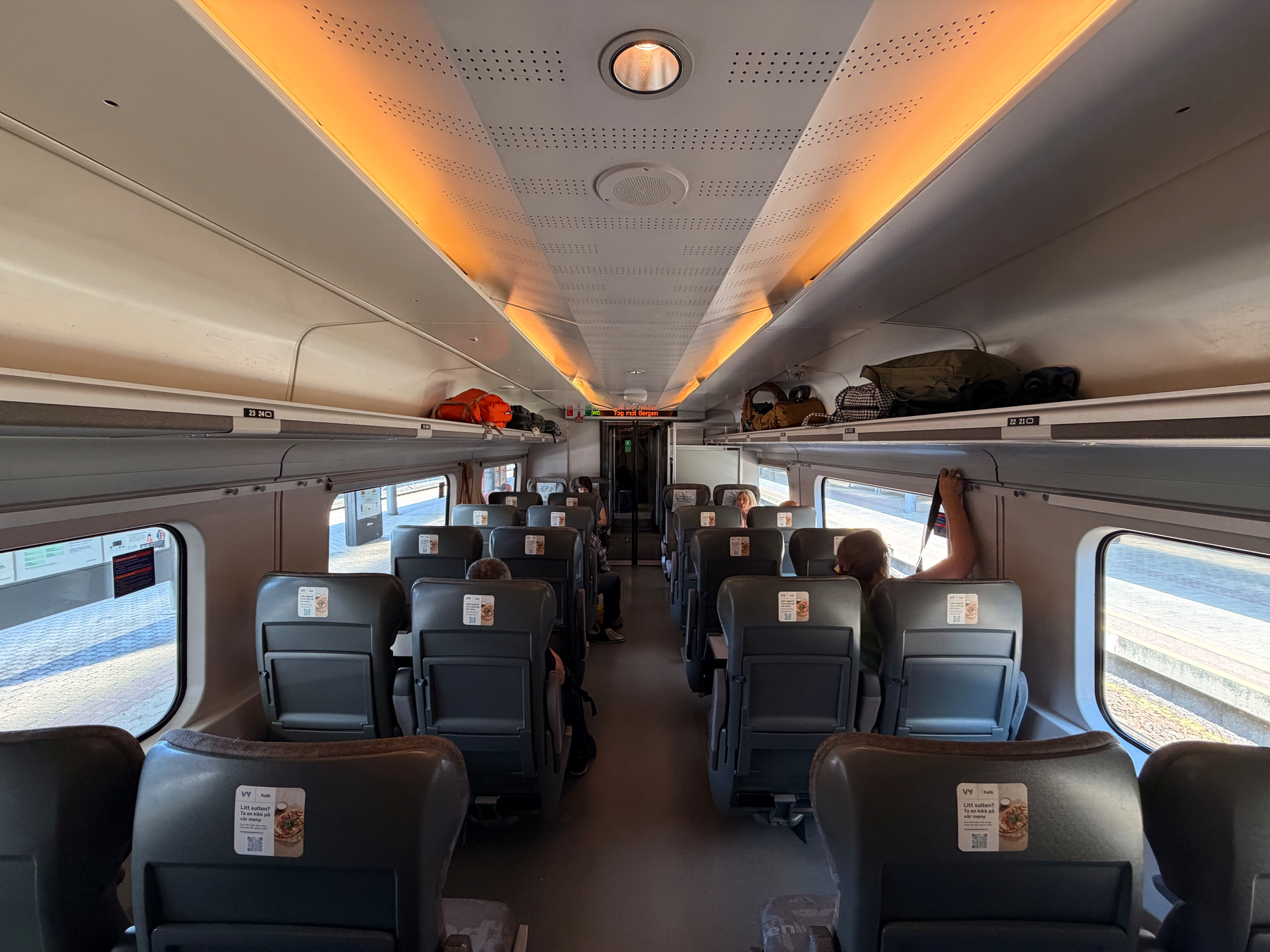
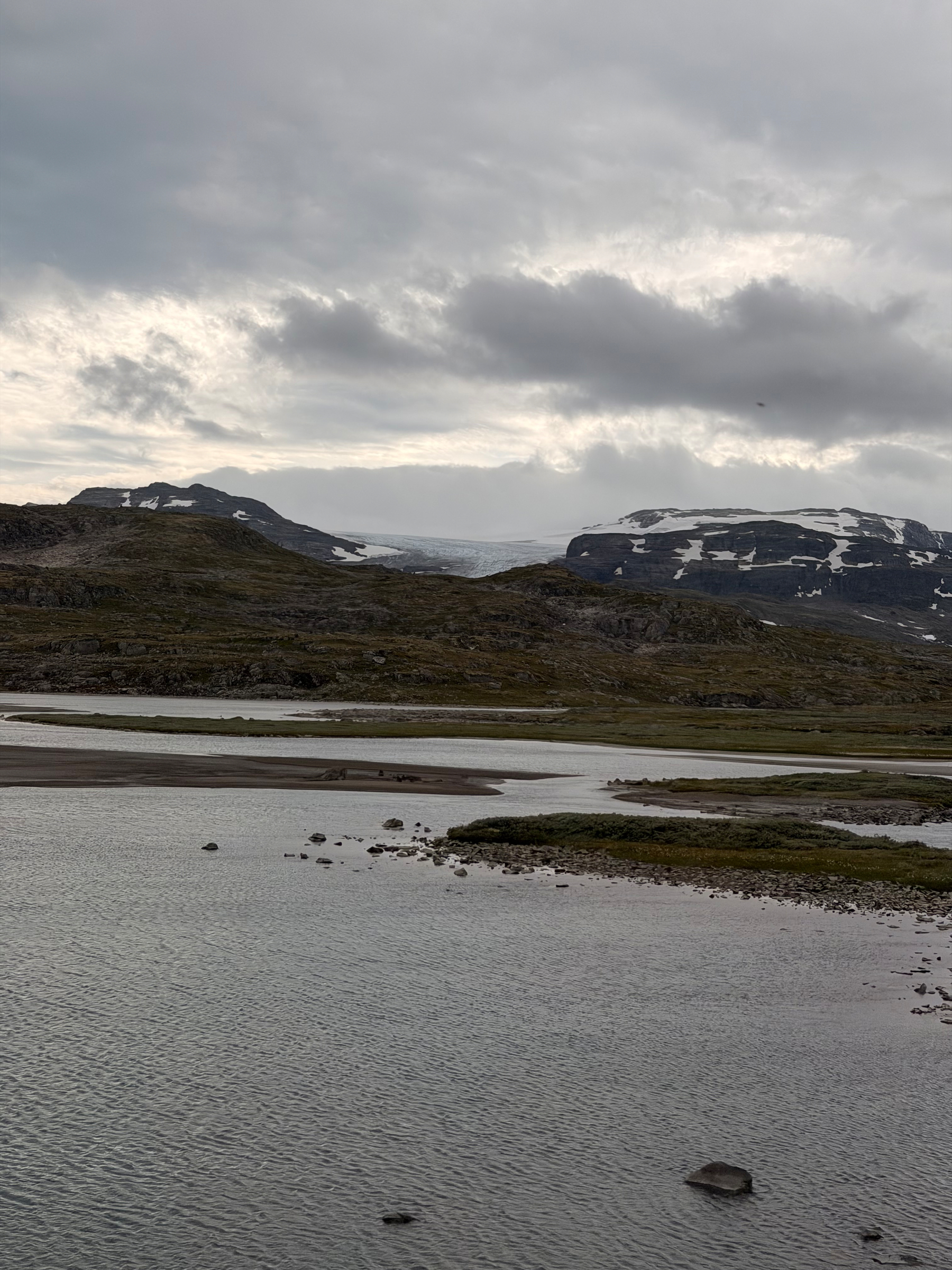
The train route is famous for crossing the Hardangervidda mountain plateau where the landscape changes over to a more barren, mountain top plain (even though the elevation at around 1,500 meters is not extremely high).
In Bergen, our main event was a cruise through the fjords to the small town of Flam.
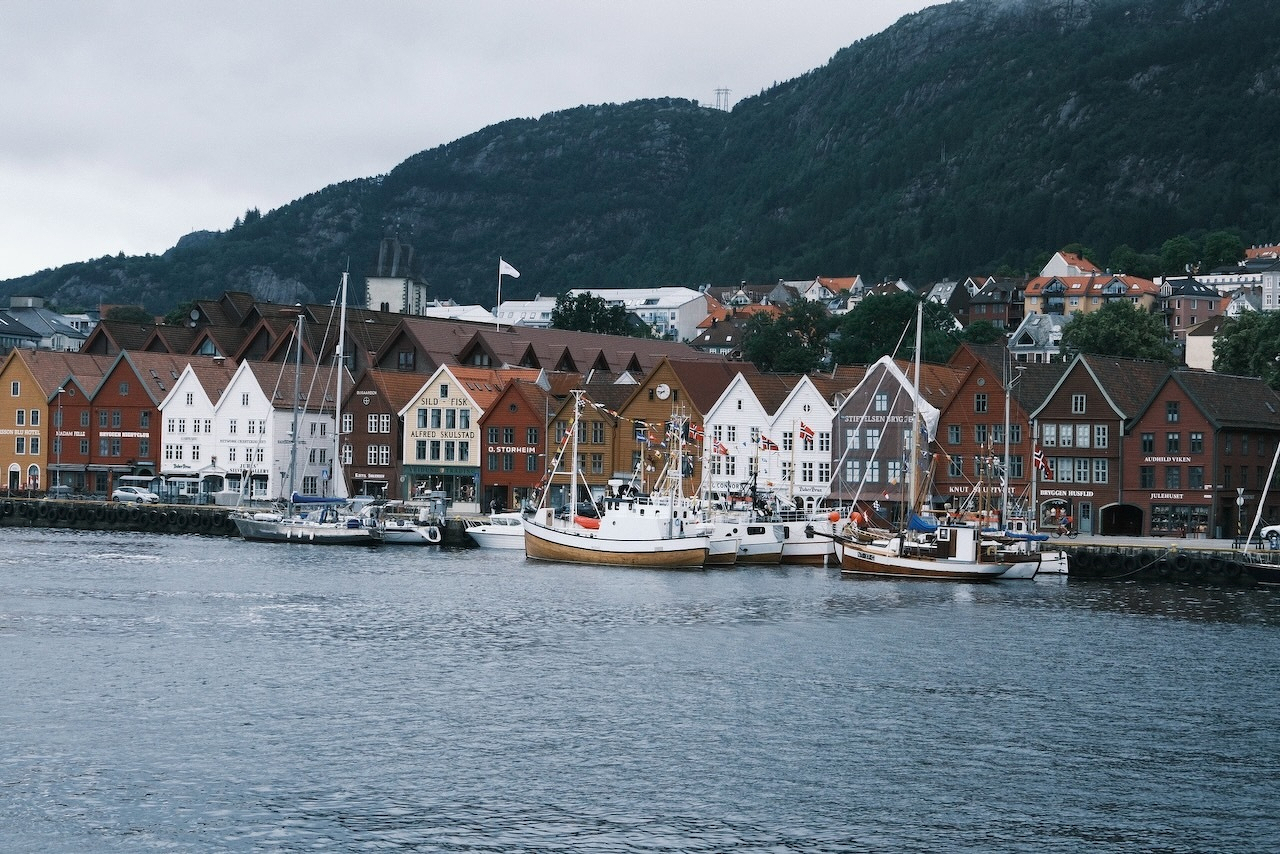
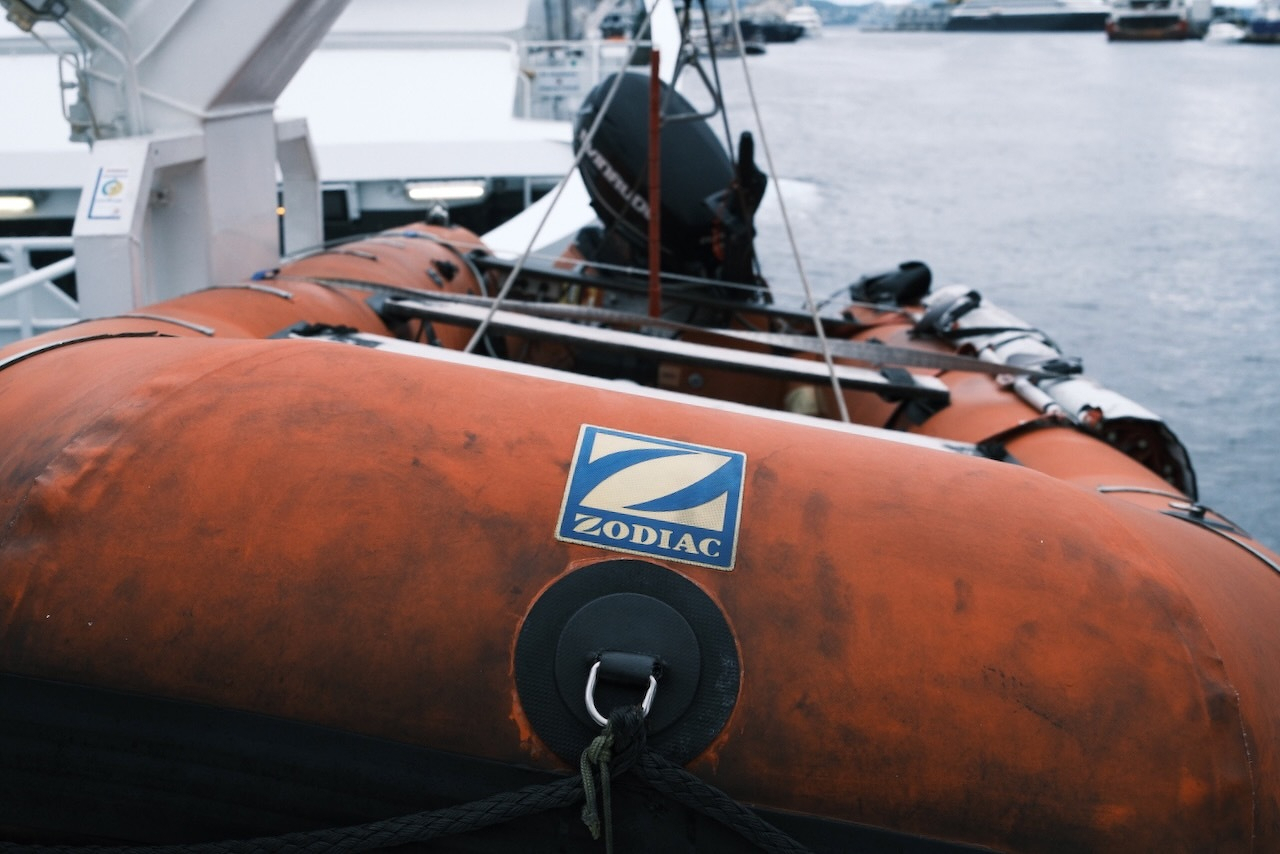
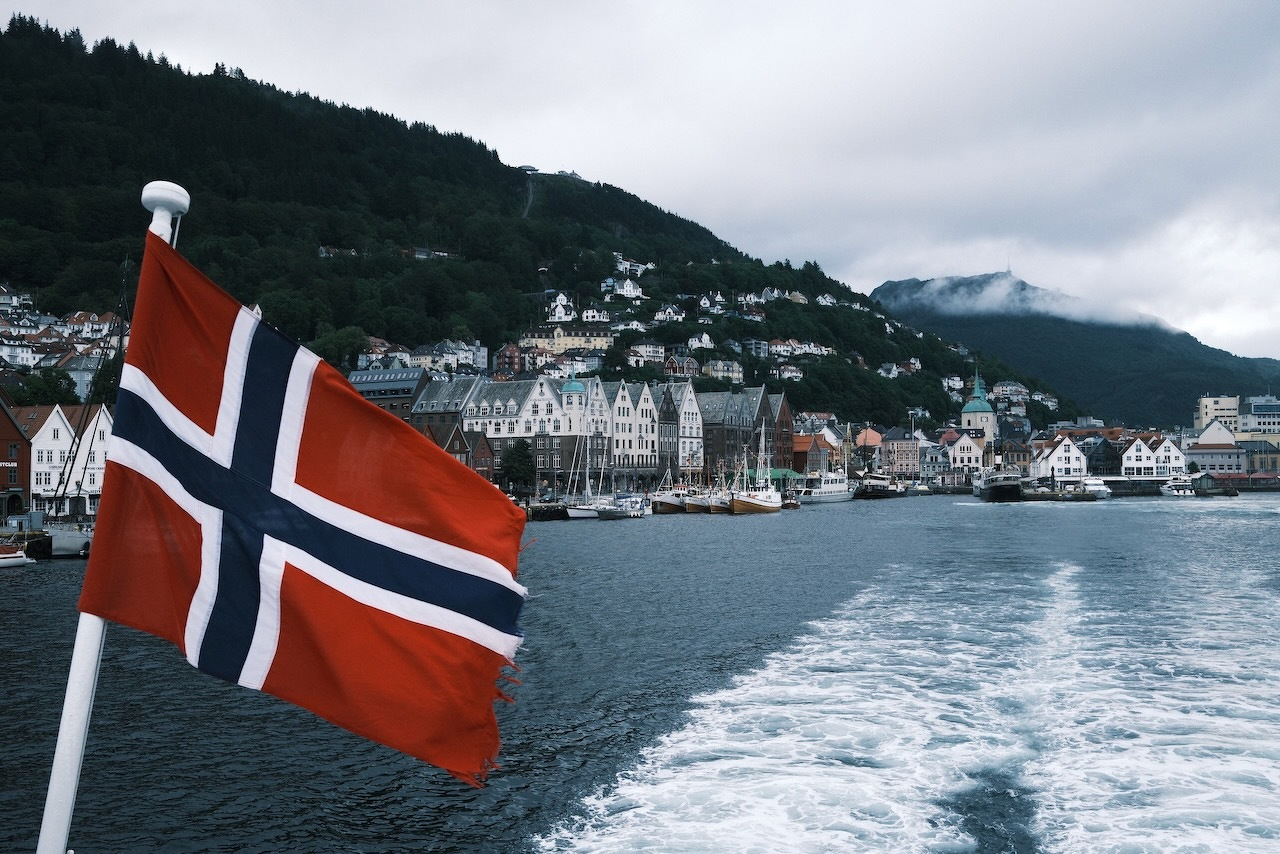
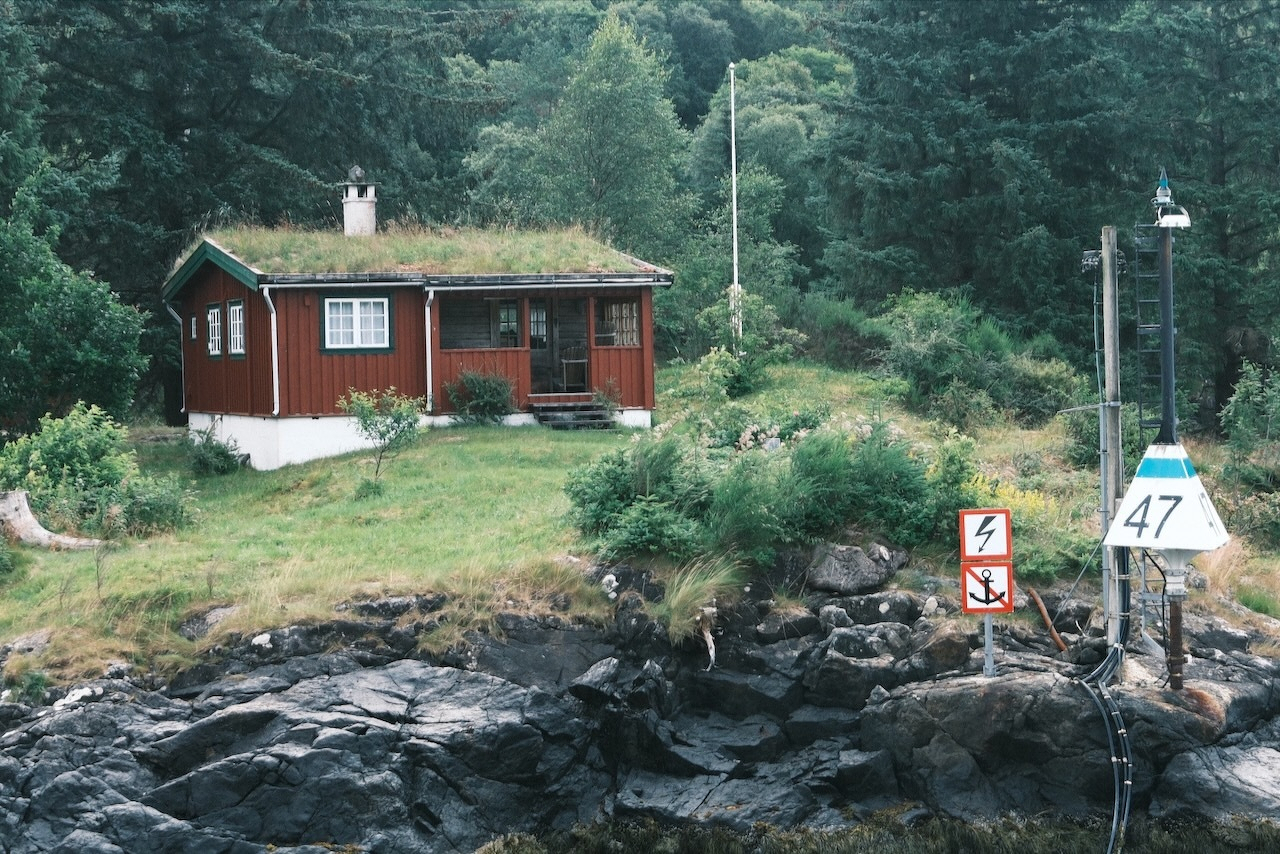
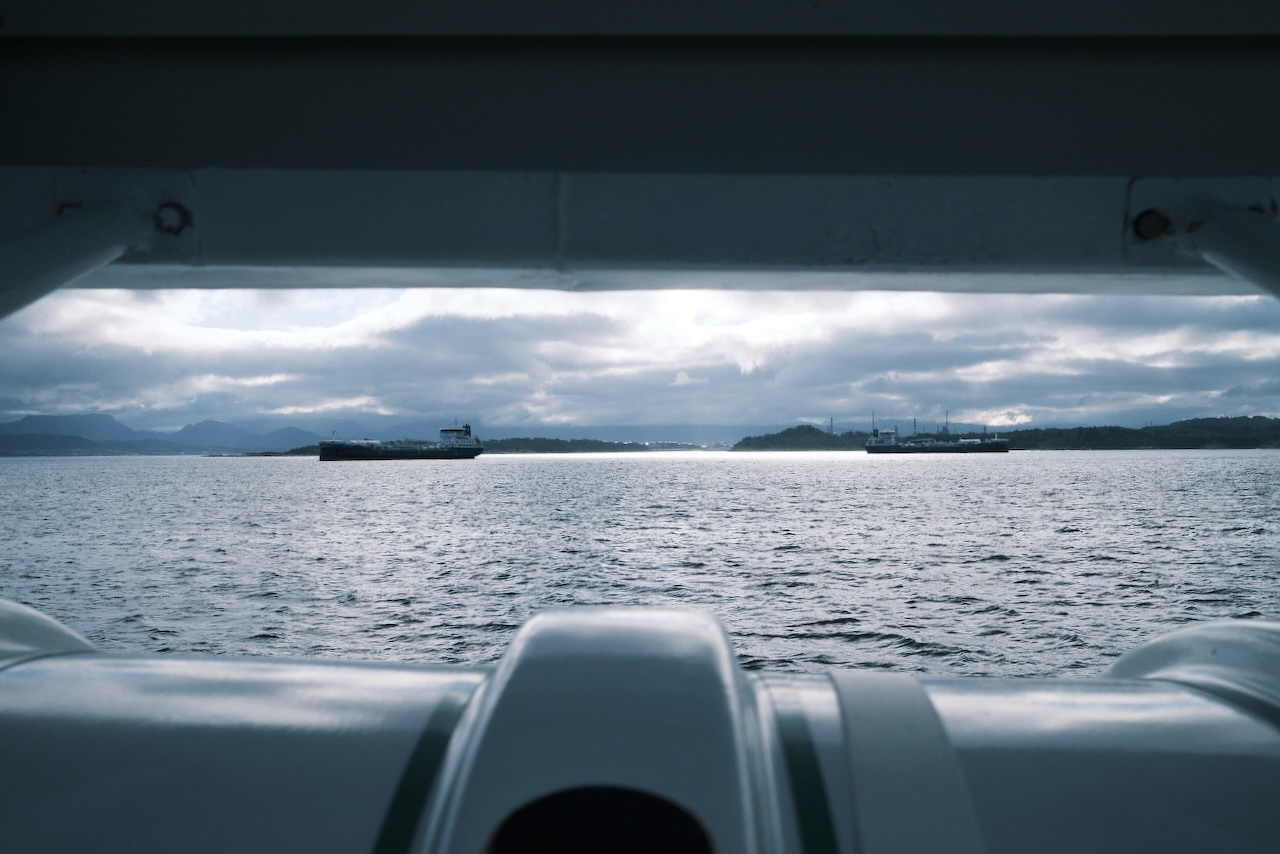
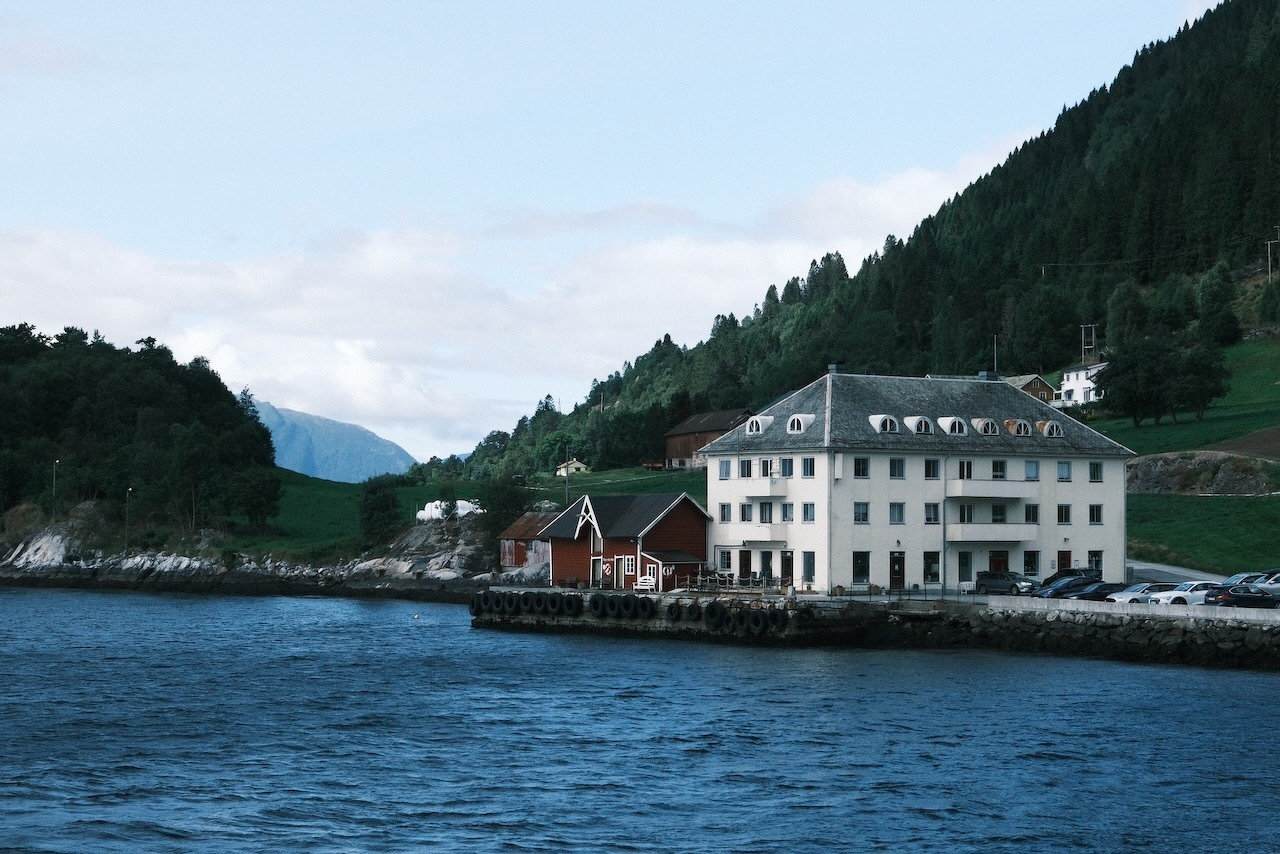
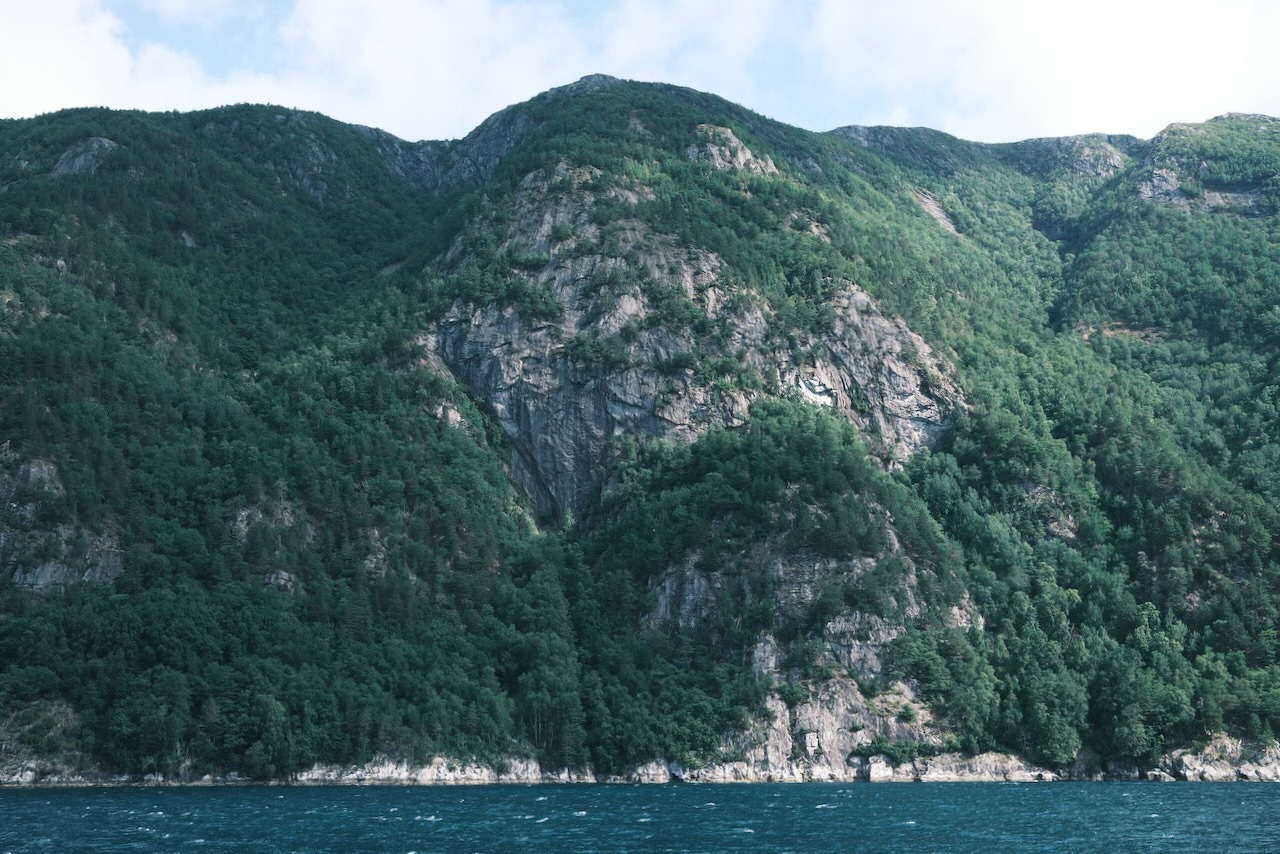
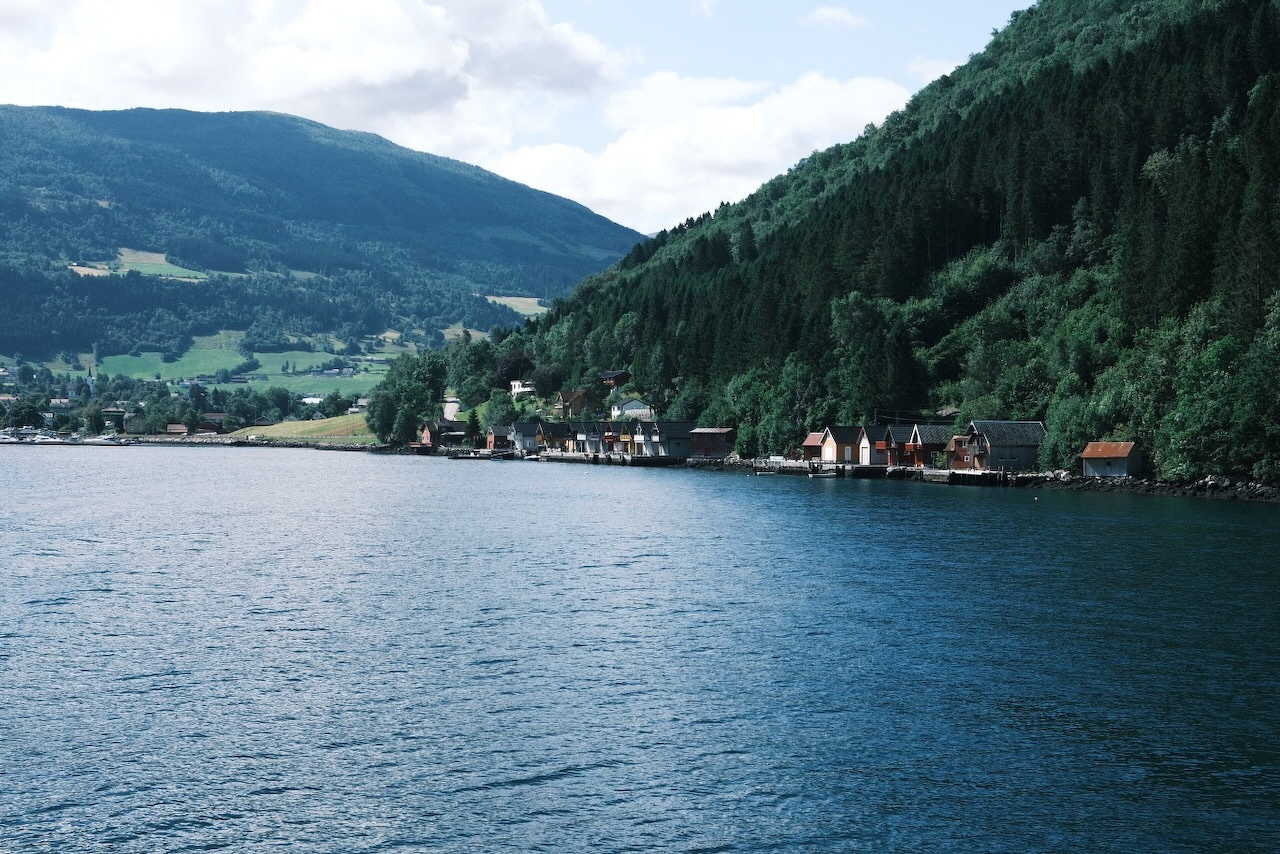
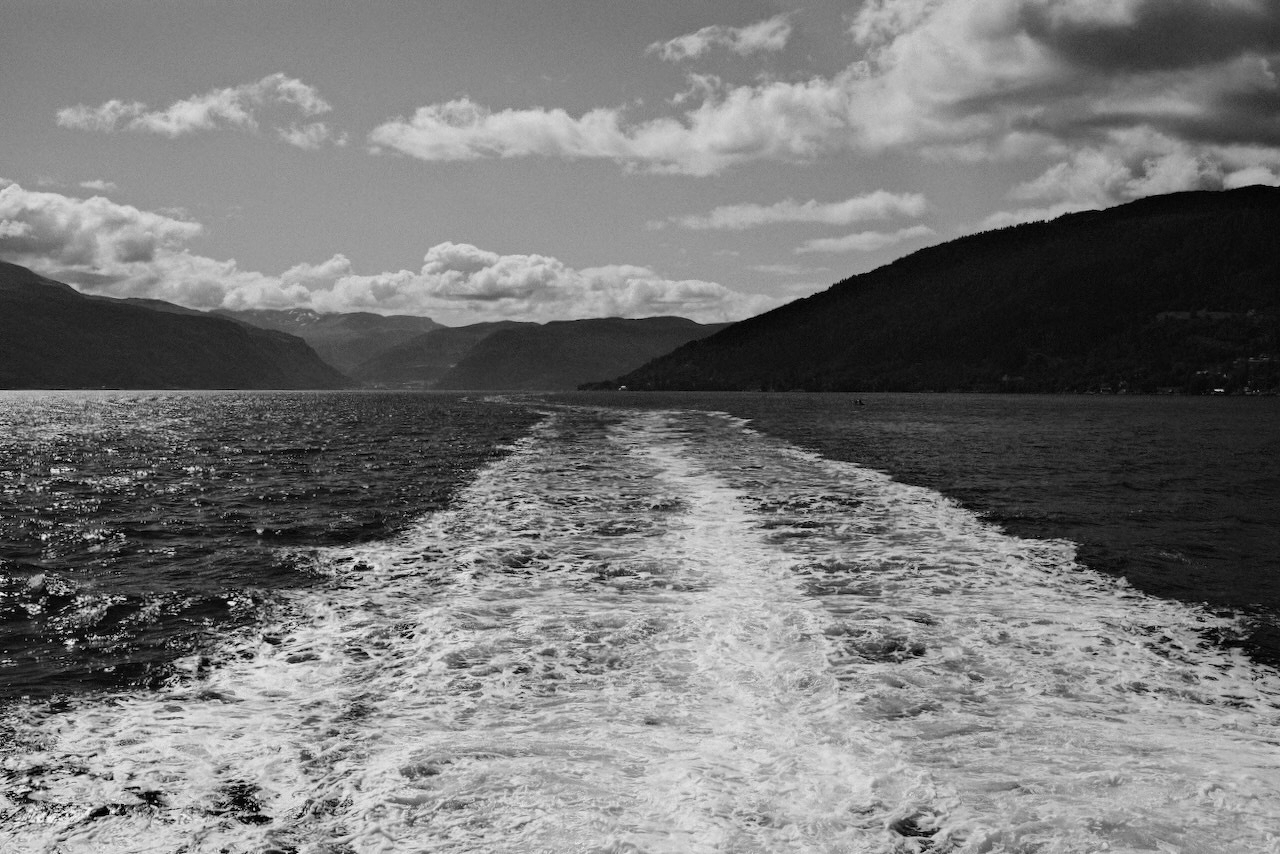
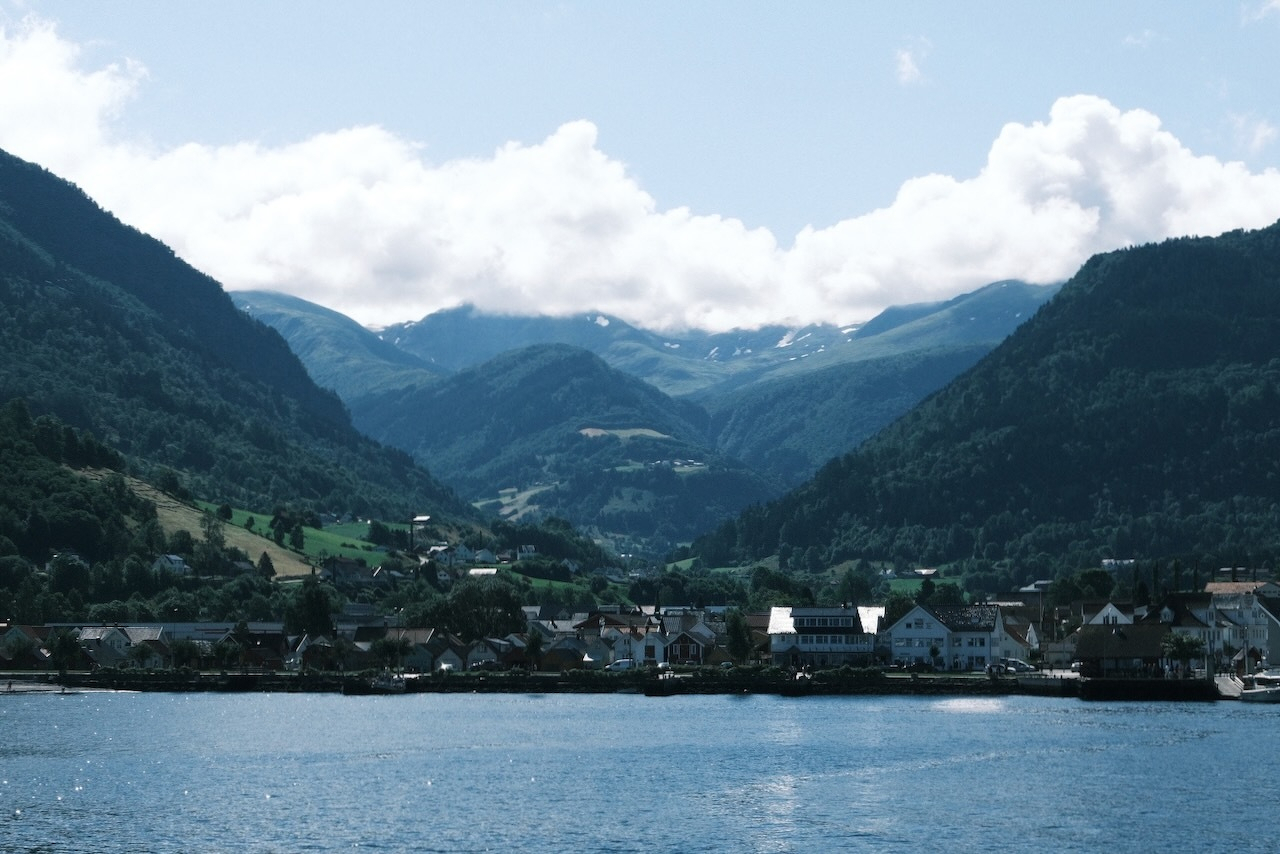
Flam is one of the more popular small fjord towns and is visited by cruise ships almost every day. The ships dwarf the town in both size and population.
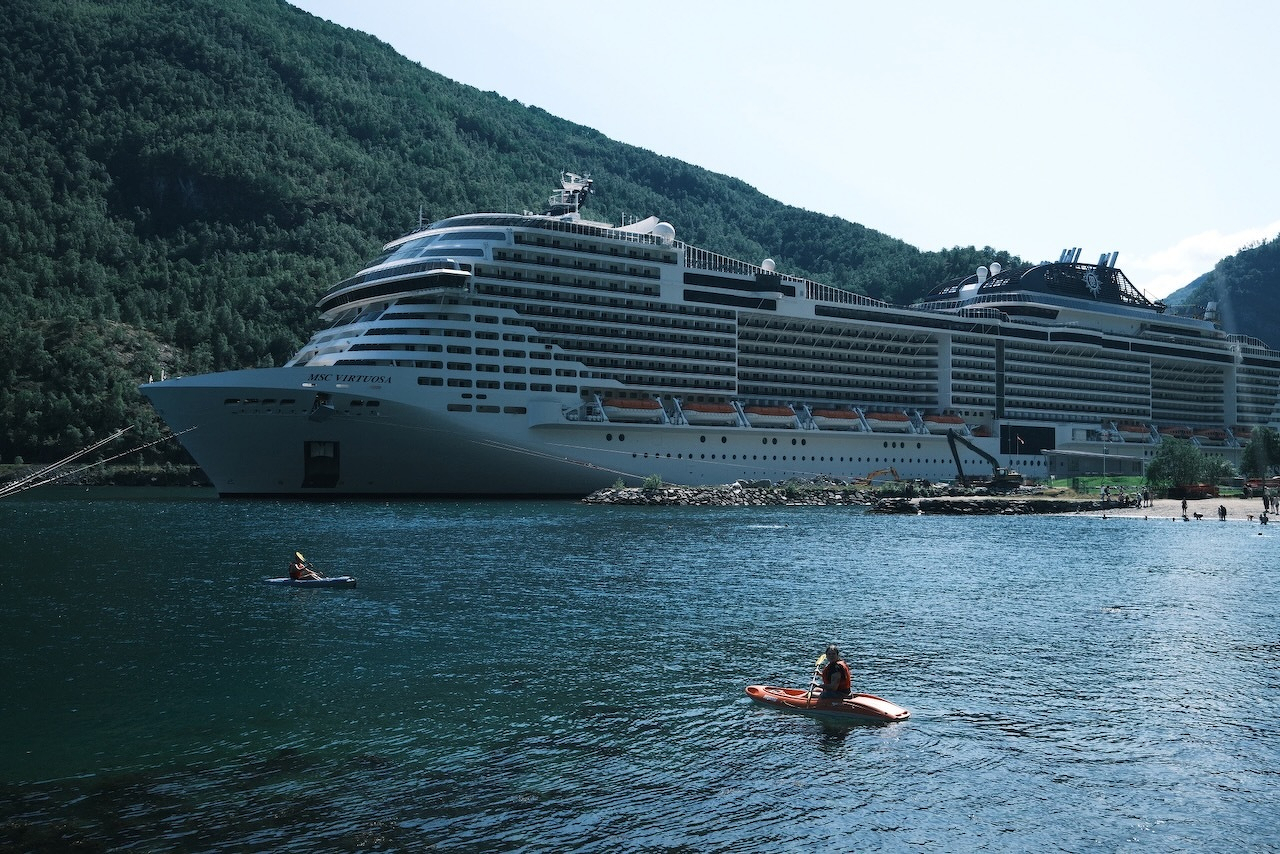
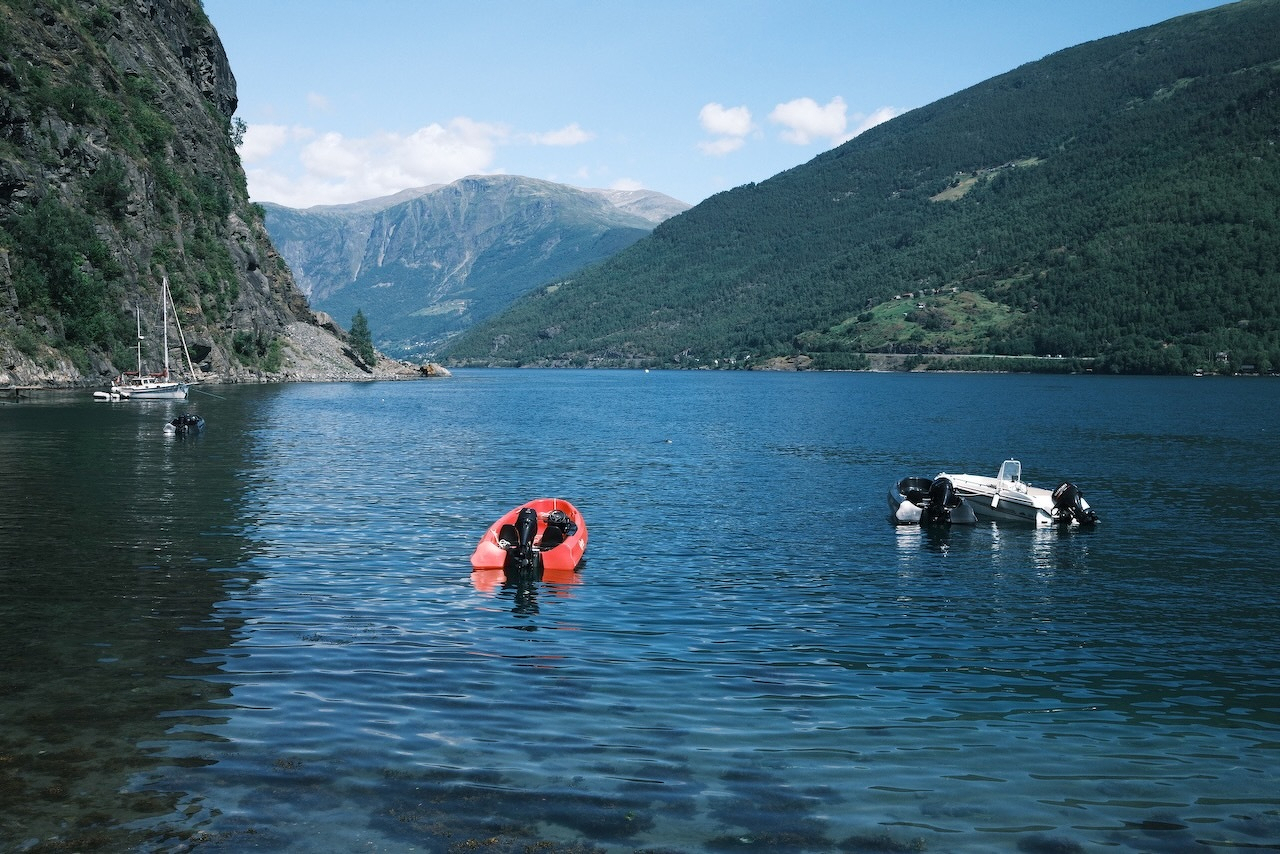
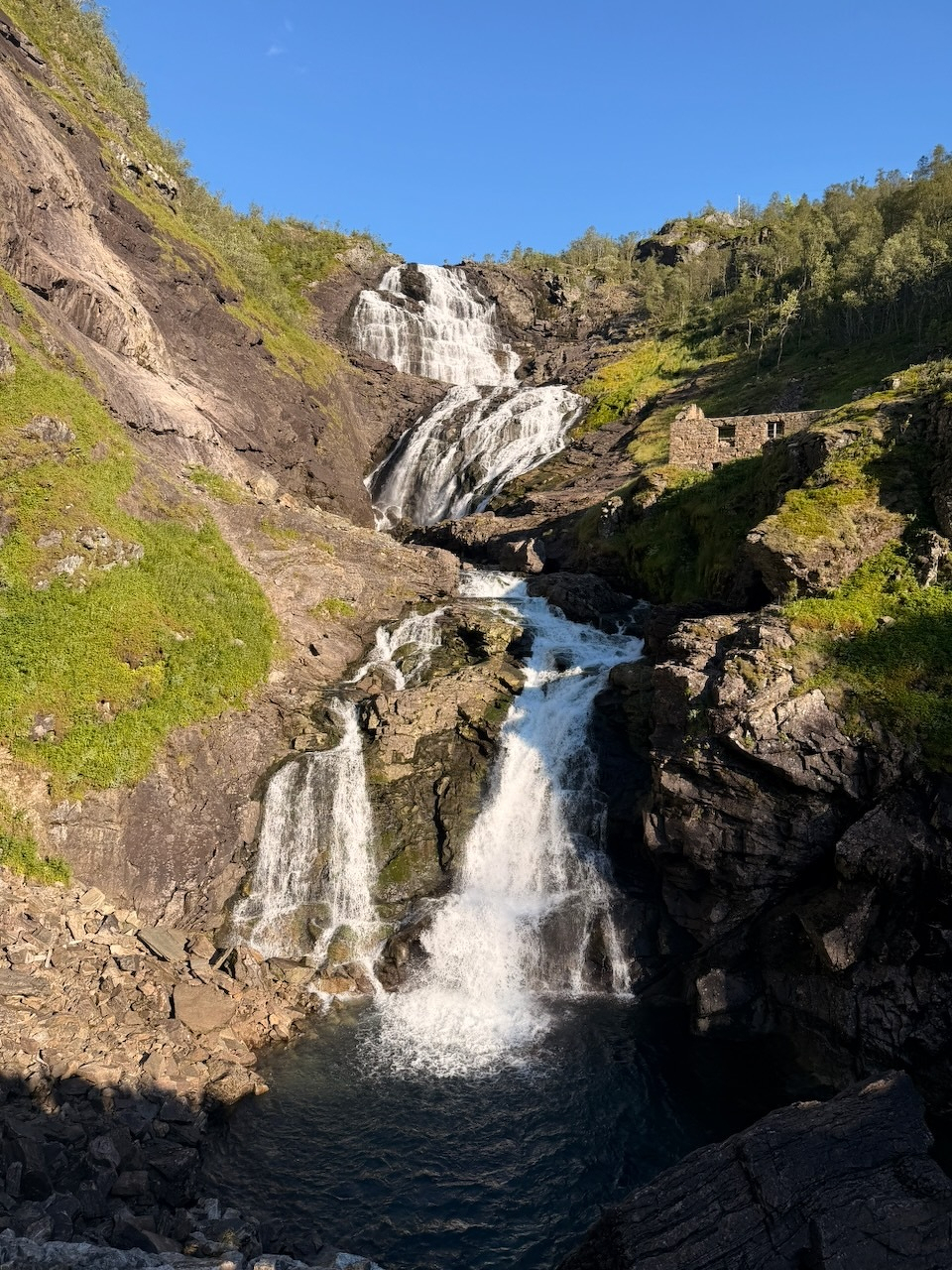
From Flam, we took the train back to Bergen, traveling on the scenic Flam Line.
From Bergen, we headed north along the coast to the small island of Lilløy where we stayed in a converted boathouse.
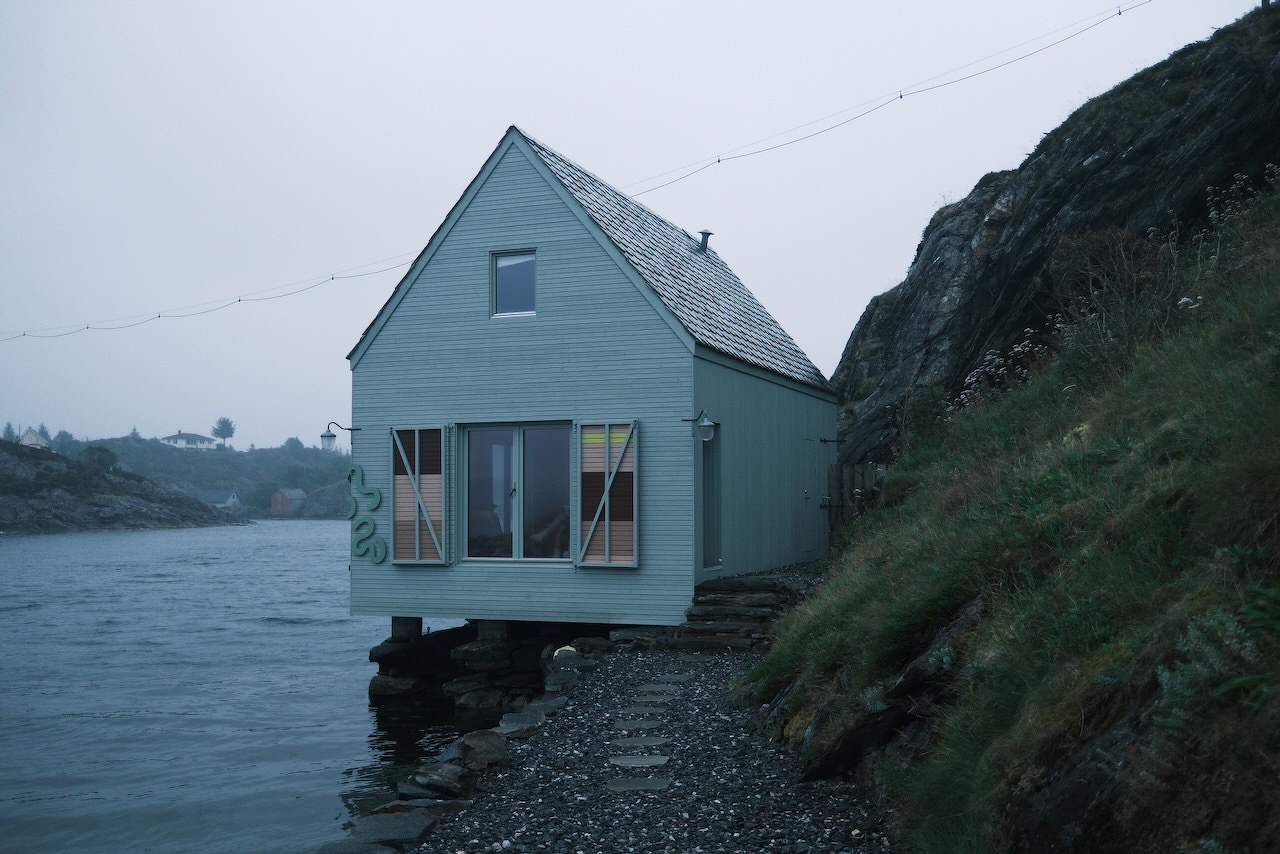
Lilløy was my favorite part of the trip: we got to experience a bit of Norwegian cabin life, where we shared breakfast in the main house and cooked other meals in our small cabin.
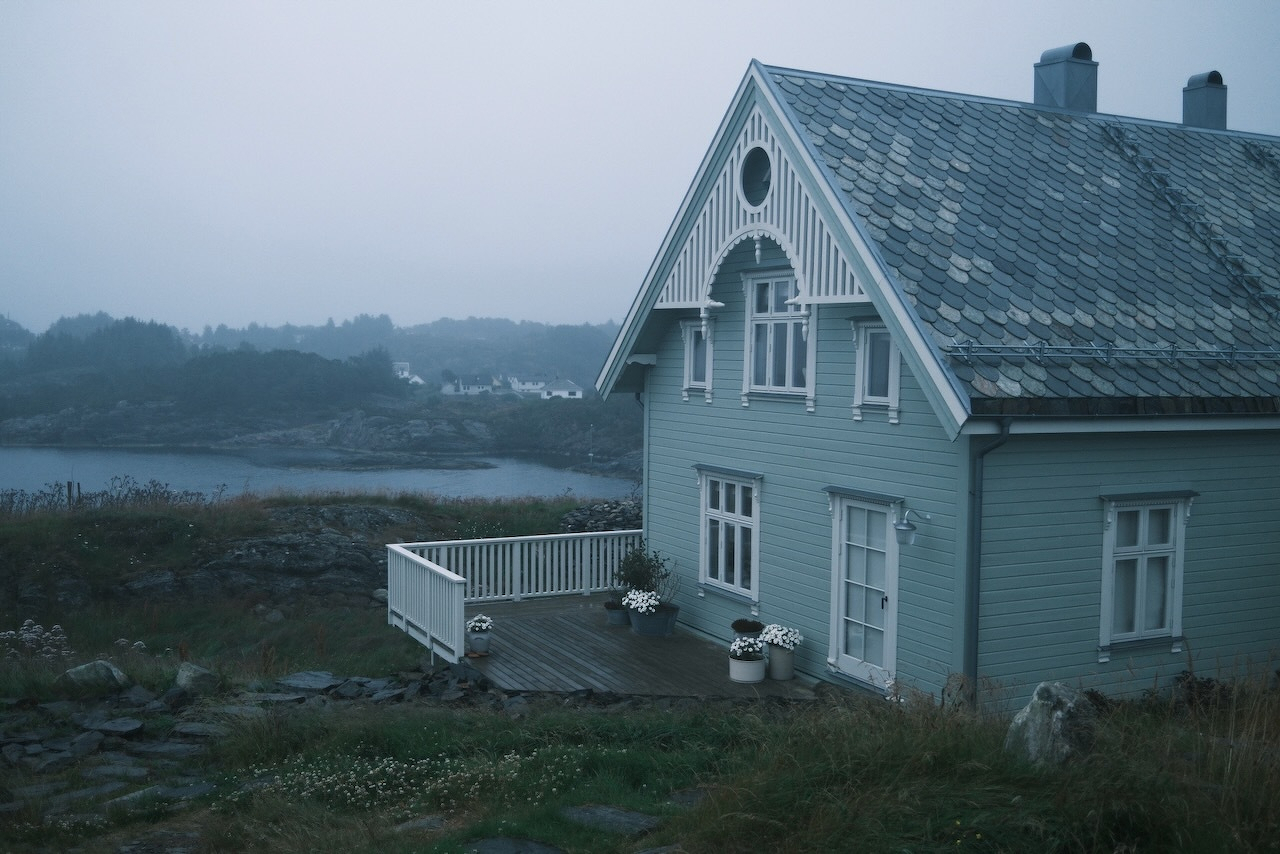
This part of Norway is famous for rain, and it did rain almost every day while we were here. But the sauna kept us warm.
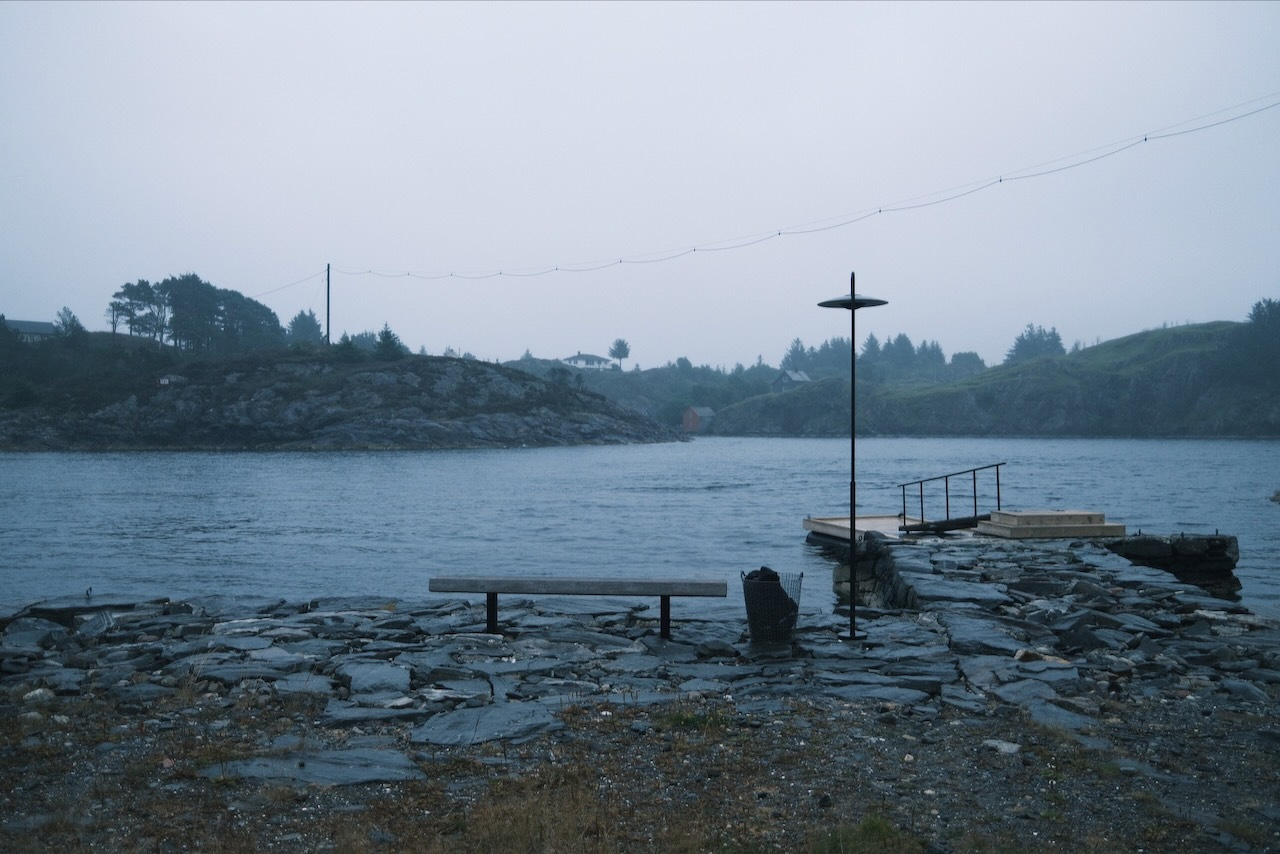
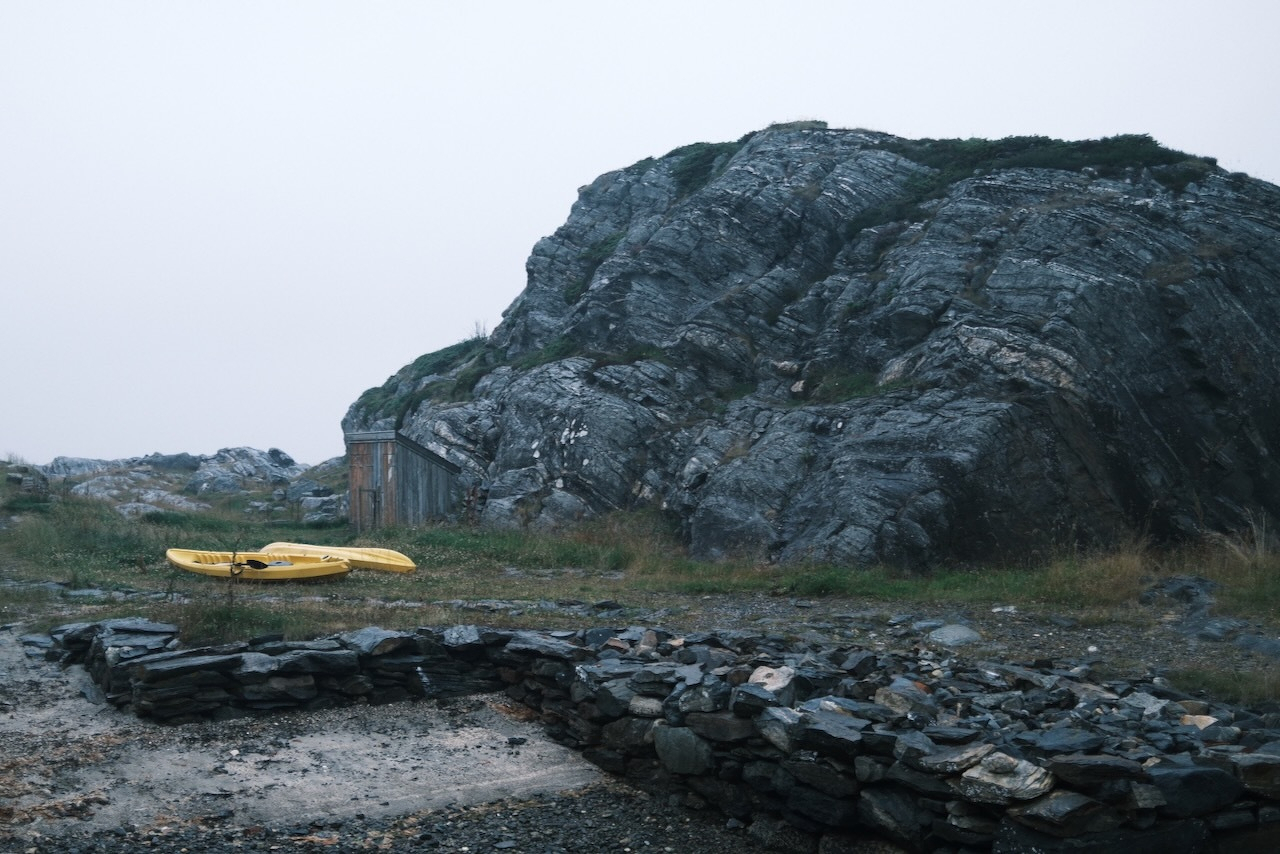
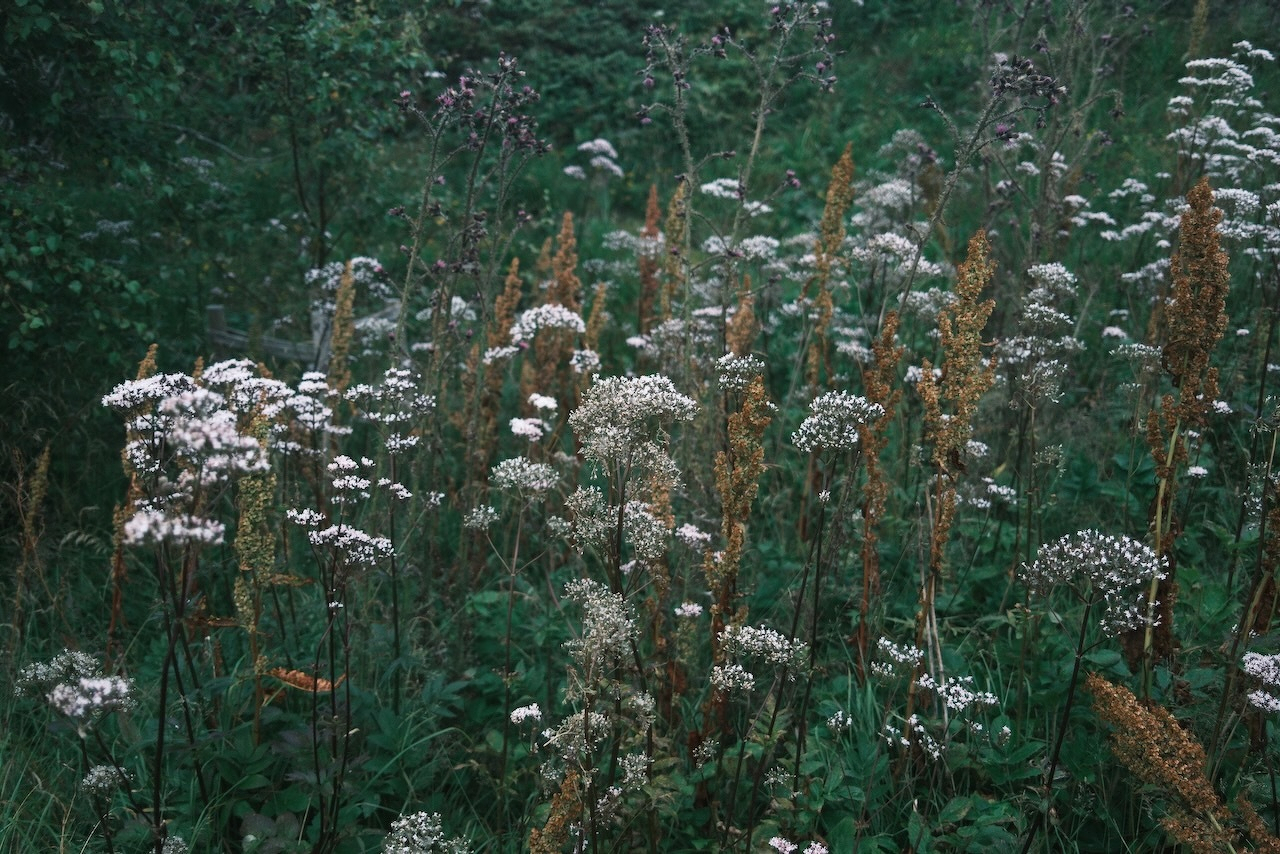
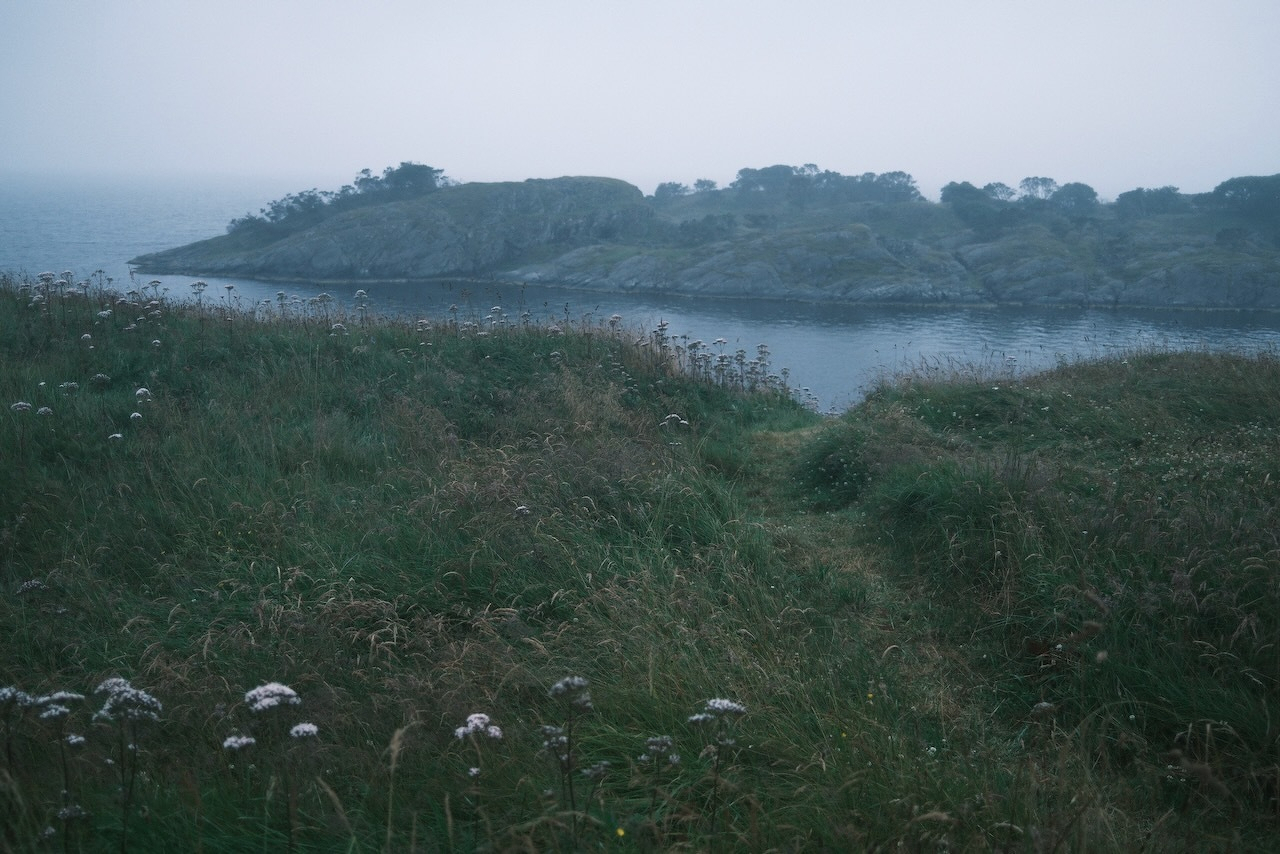
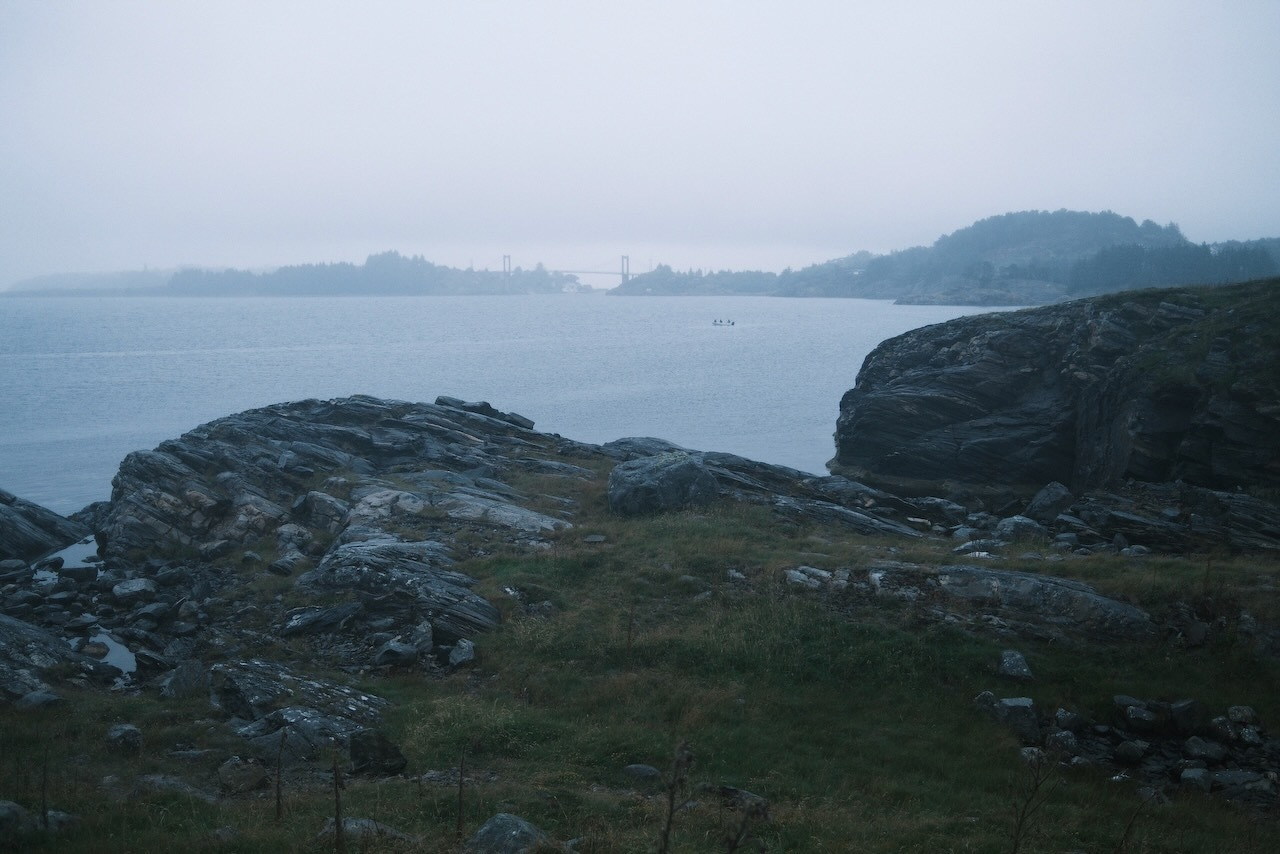
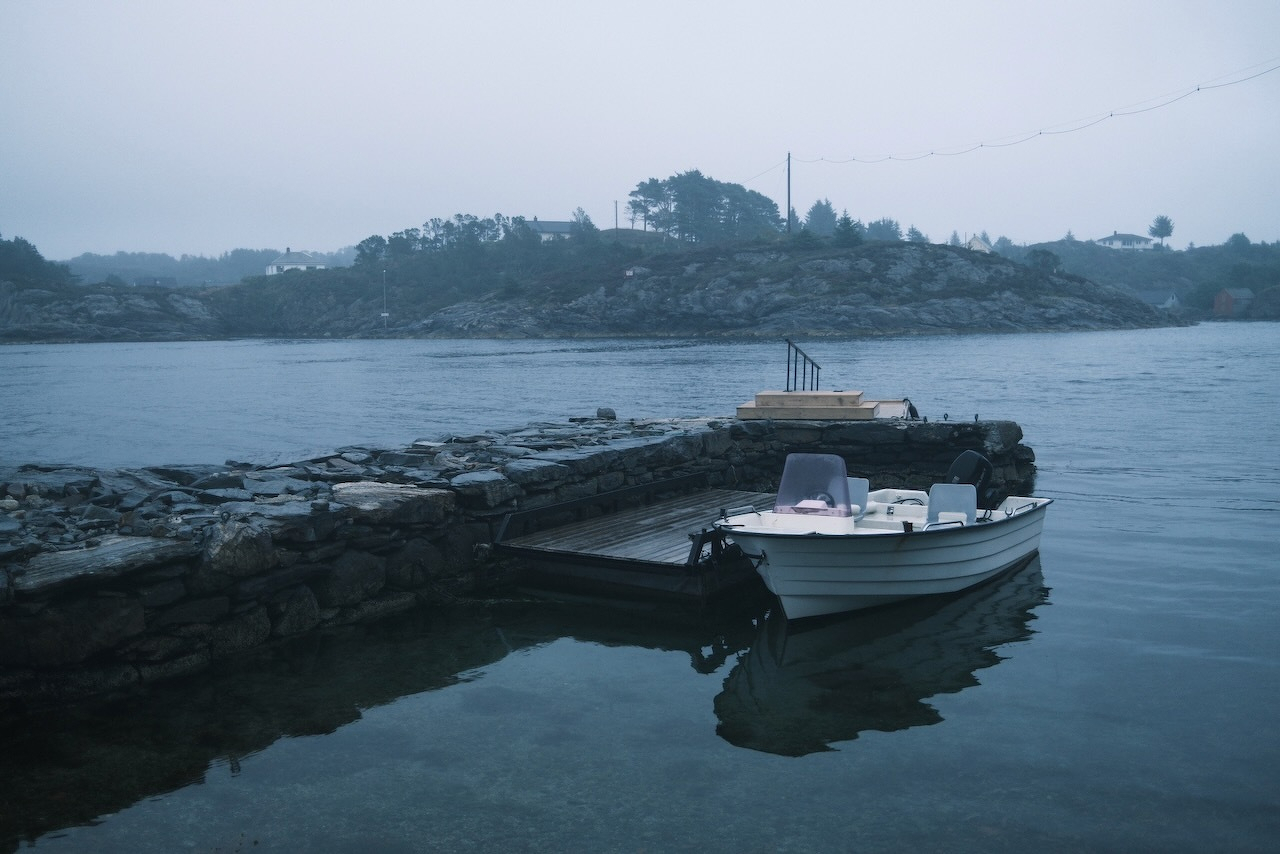
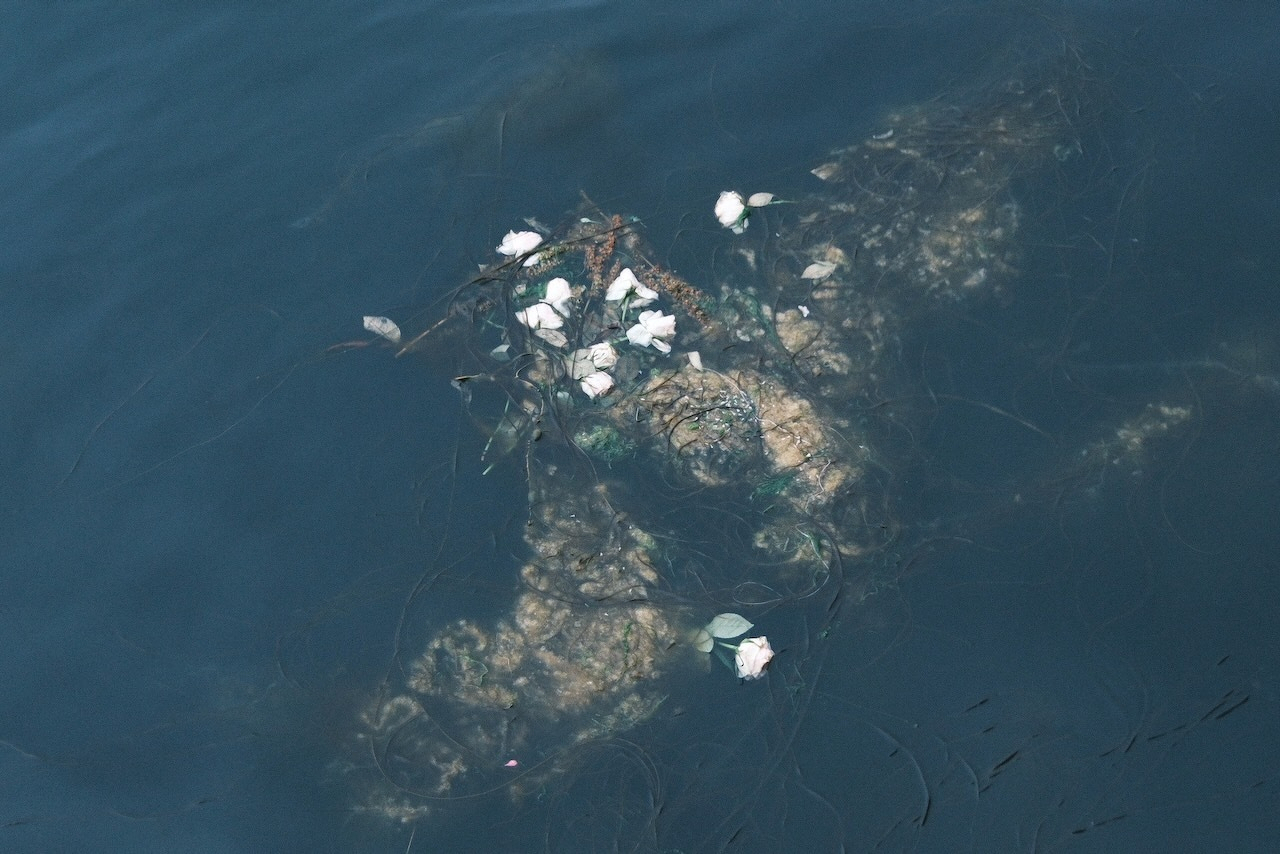
We had an amazing time in Norway! It was especially hard to leave behind the nature and cooler weather. We can’t wait to return someday.
-
Currently reading: Enshittification: Why Everything Suddenly Got Worse and What to Do About It by Cory Doctorow 📚
-
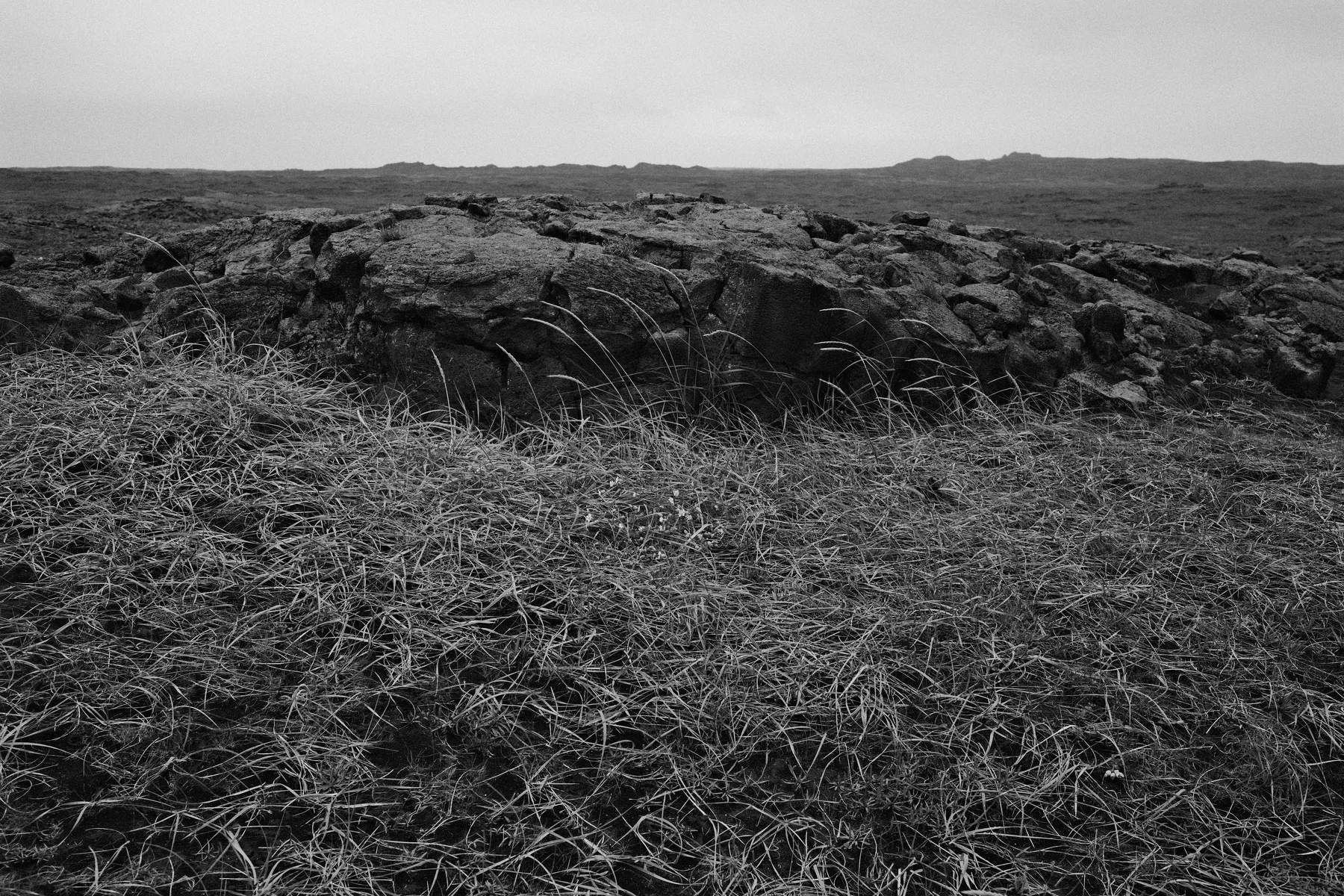
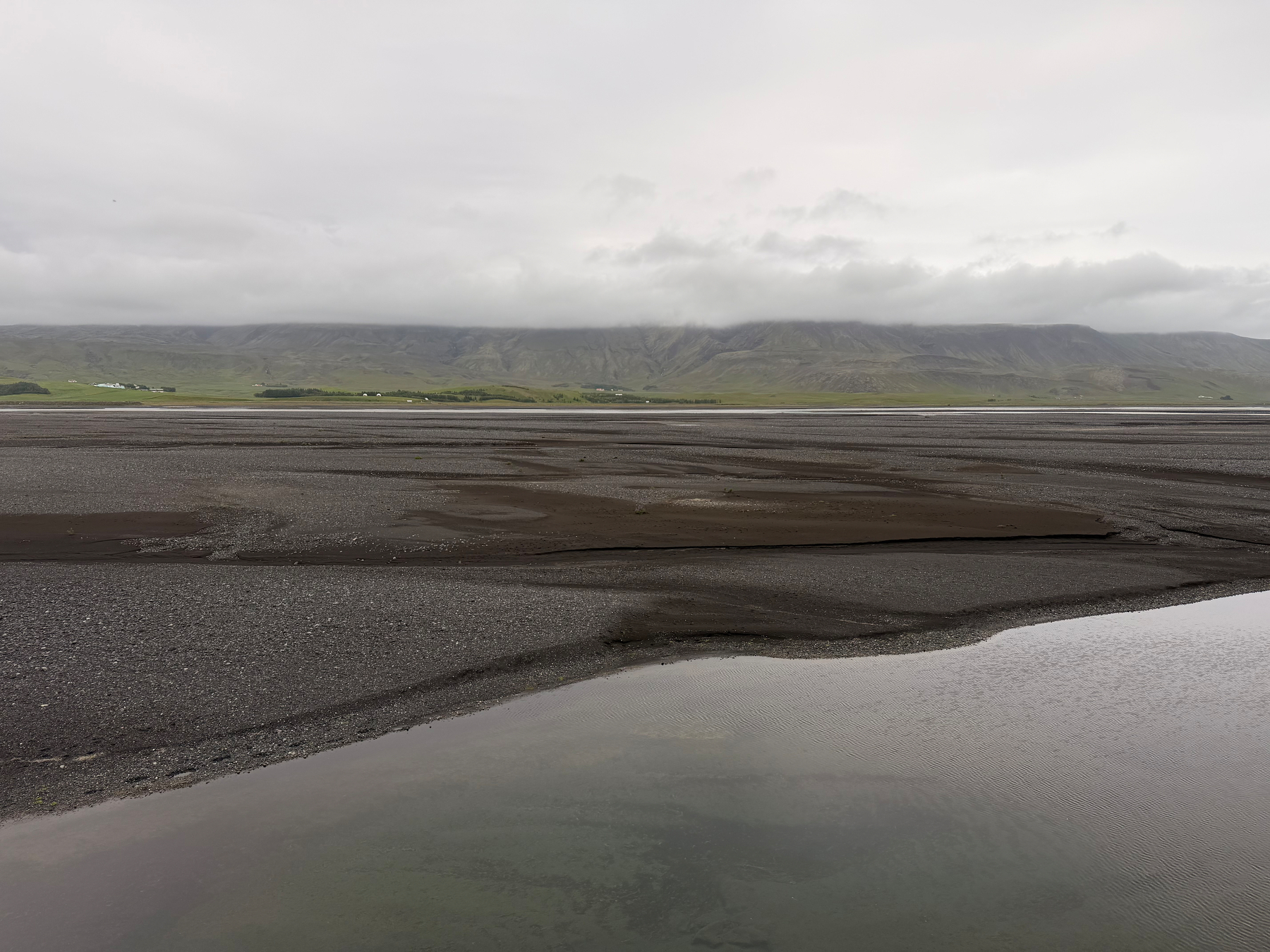
The lunar landscape of Iceland
-
Iceland
We traveled to Iceland for my sister-in-law’s wedding, congrats Ginny & McKenzie! I wanted to share a few photos from our time on the island.
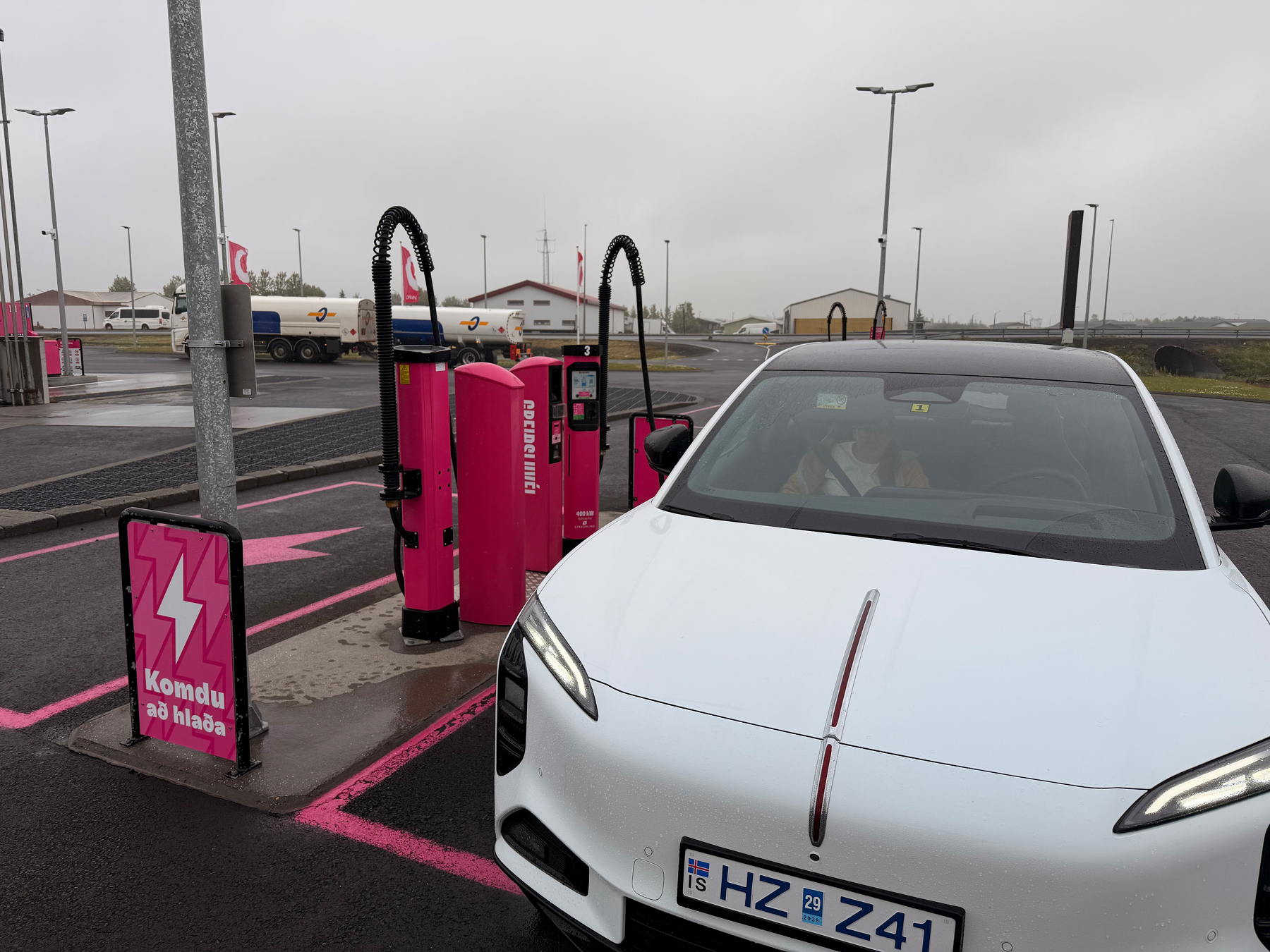
Our rental car was a Chinese EV, a Hongqi compact suv. First time driving a Chinese built car!
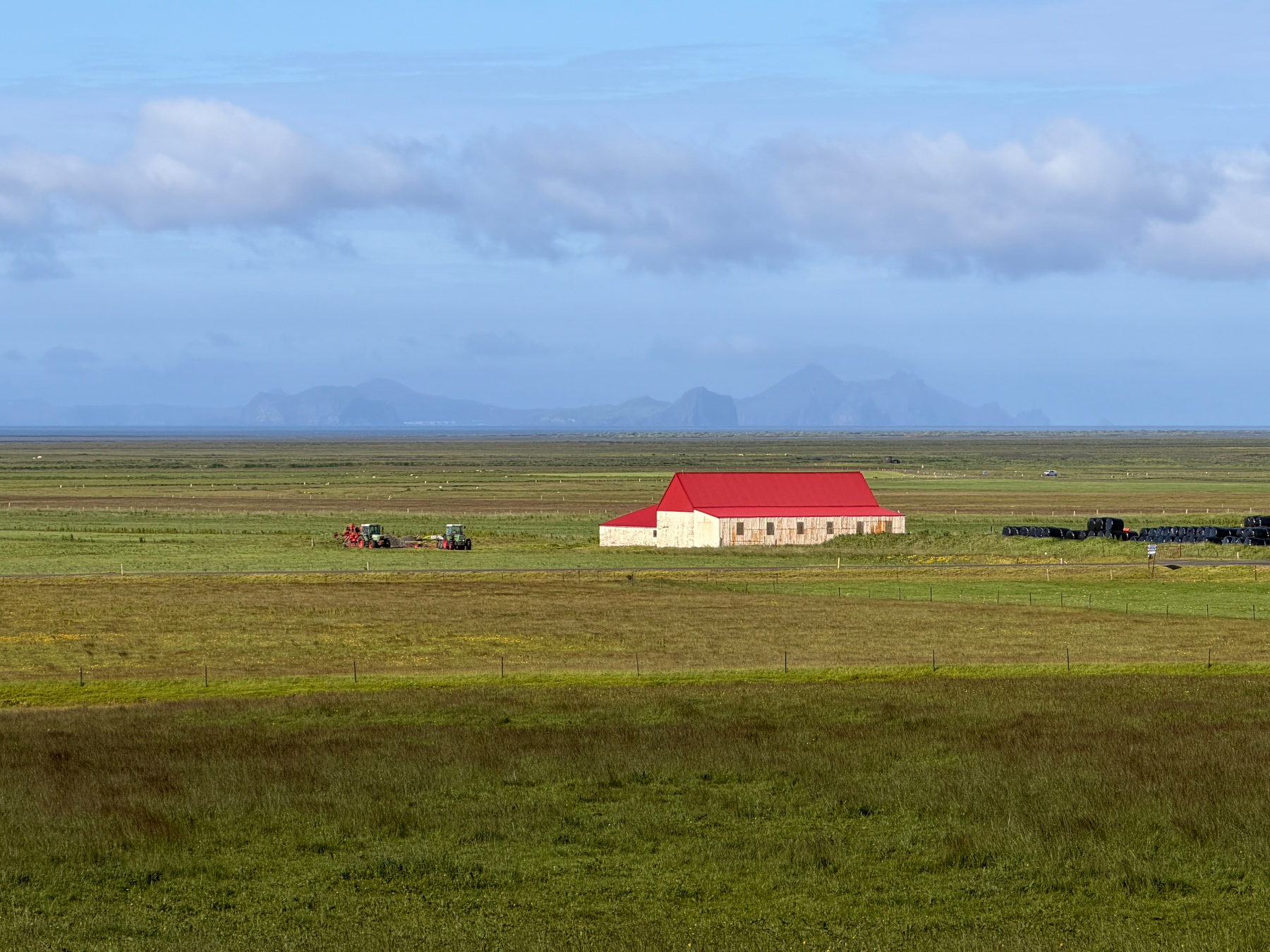
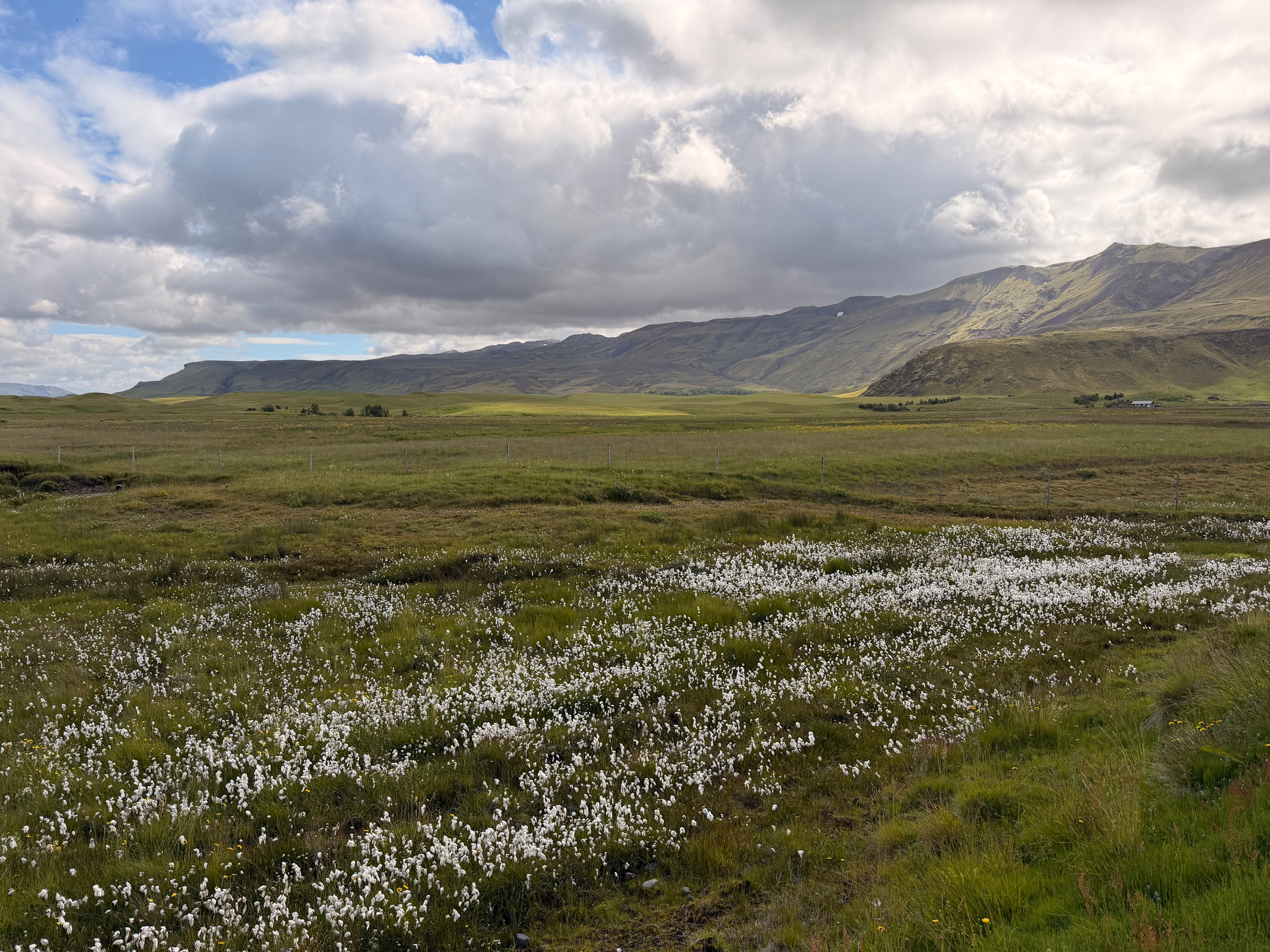
The landscapes around our hotel were amazing:
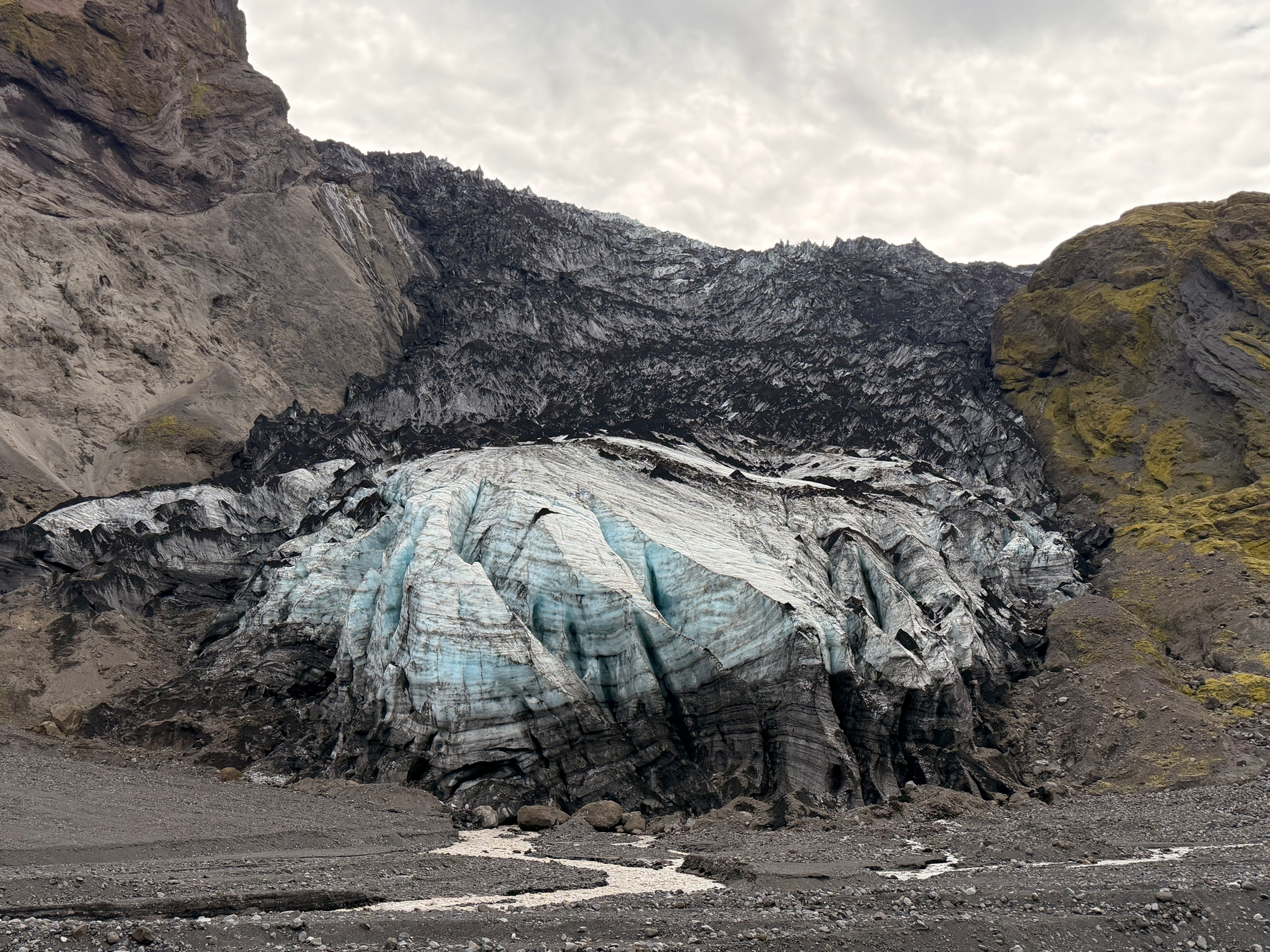
We rode in buggies out to a glacier:
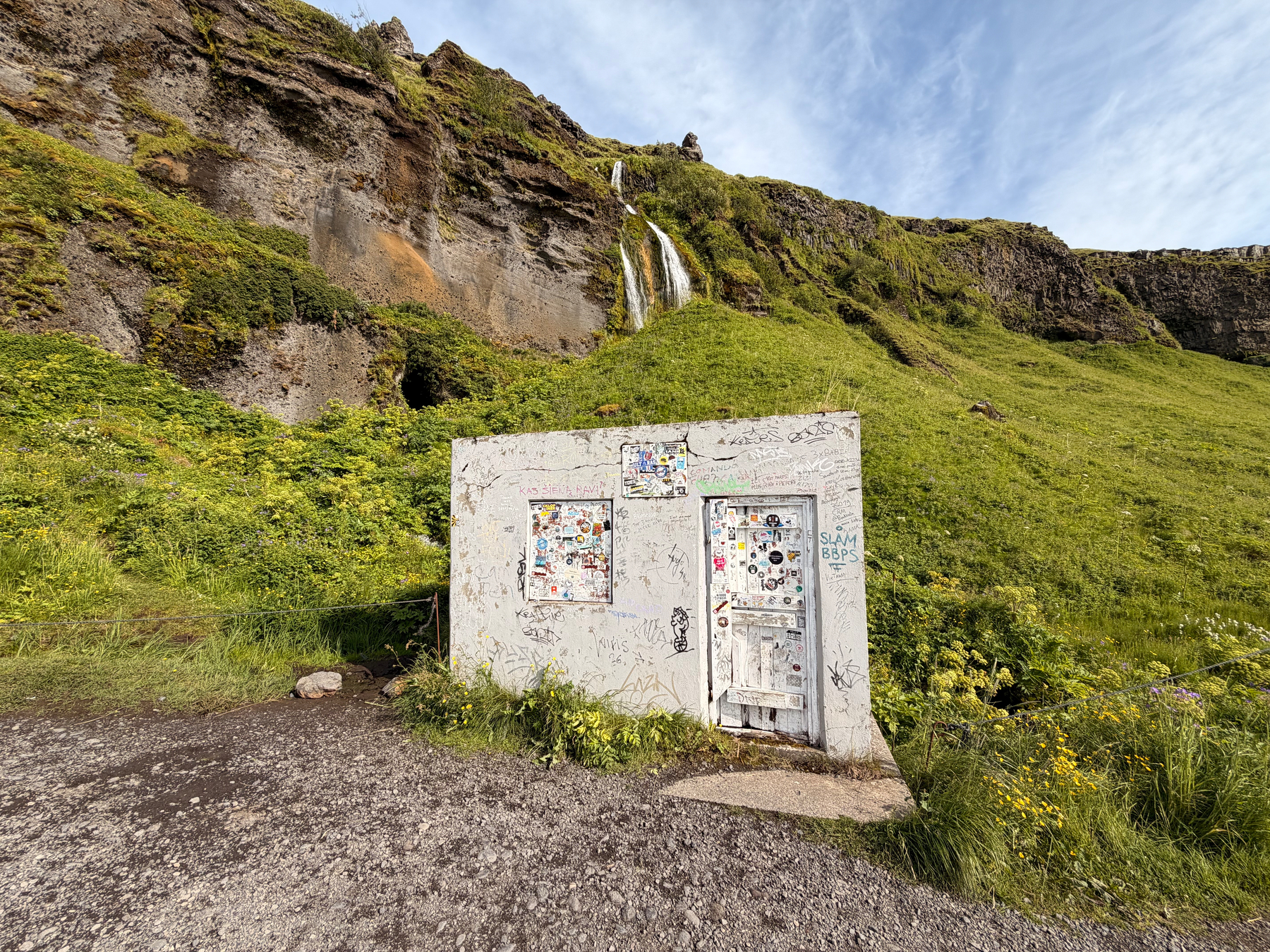
A nearby waterfall:
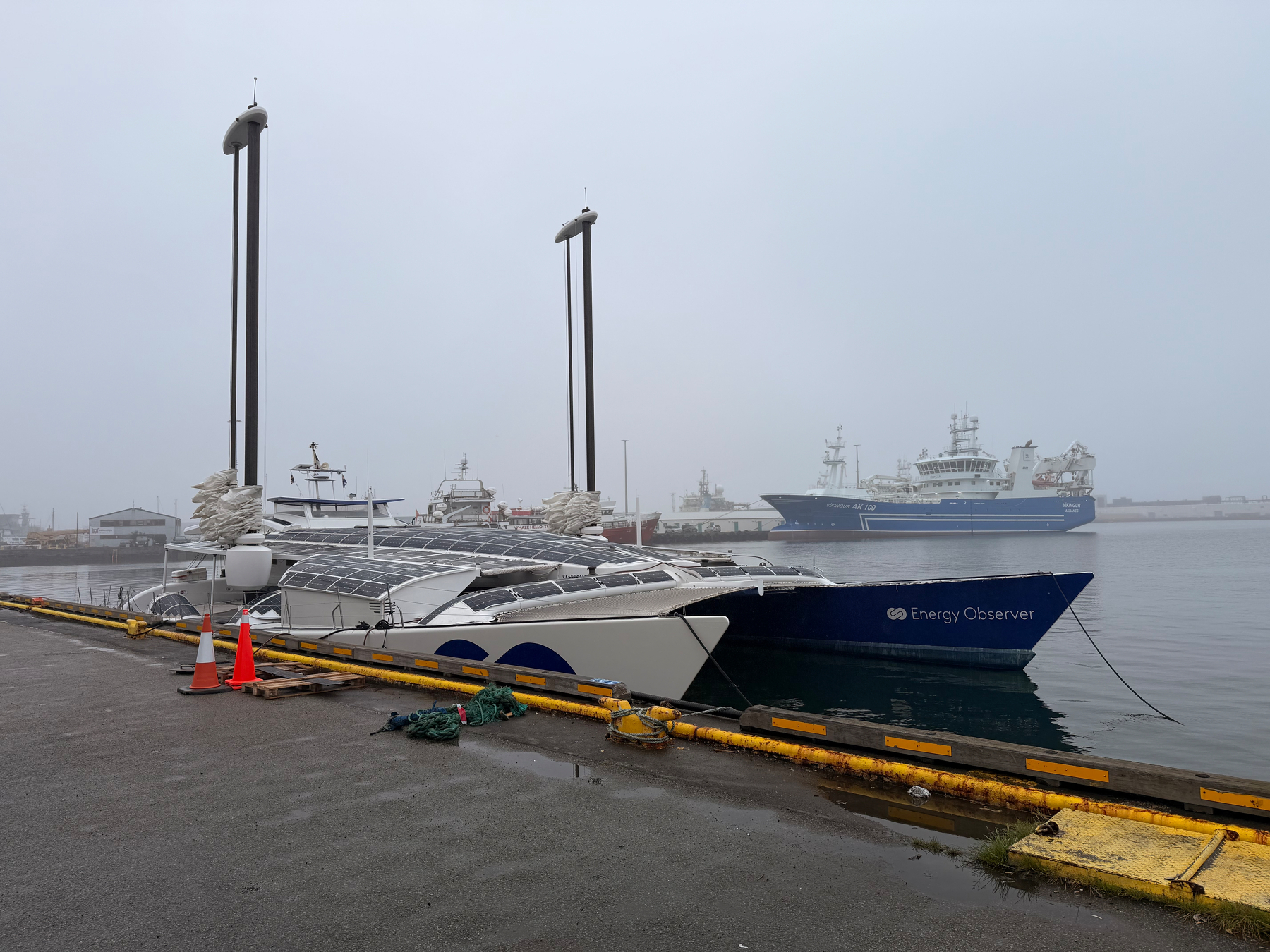
We spent our last night in Reykjavik, there was an interesting boat in the harbor. I looked it up and it’s powered entirely by renewable energy, turning seawater into hydrogen and using solar panels to charge its batteries:
Spur of the moment, we decided to take a whale-watching cruise at 9pm (it stays light until after midnight) and it was amazing!
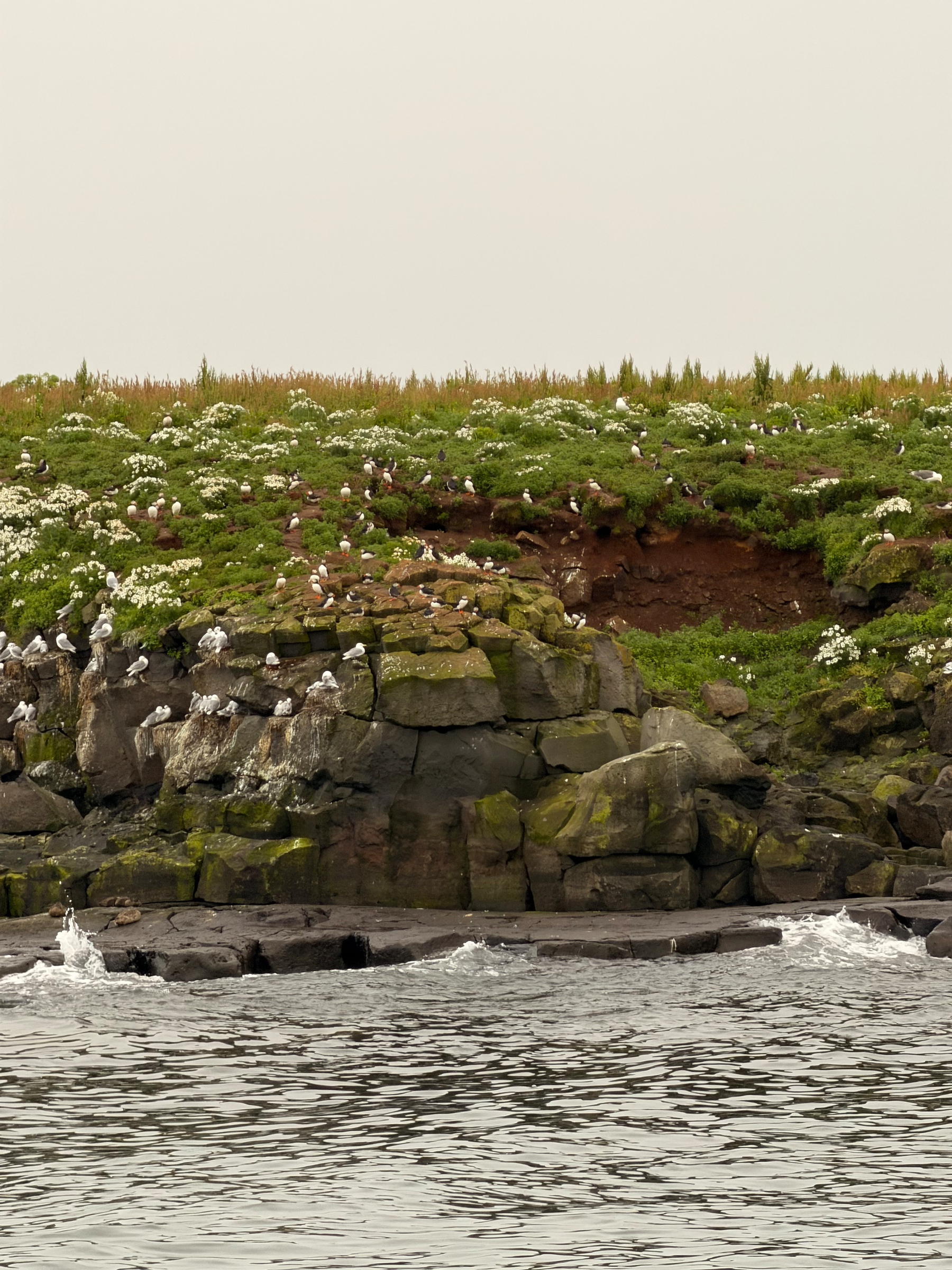
We saw puffins:
And humpback whales “bubble feeding”:
We felt incredibly lucky that we were able to see this!
Iceland is an amazing place and we had a great time.
From here, we traveled to Norway to visit Oslo and Bergen, where I’m currently posting from somewhere on the coast just north of Bergen. In my next post, I’ll have some photos from our time in Norway.
-
Just turned on cross posting to Grain.social for images posted here!