• Interviewing Epic Games Founder/CEO Tim Sweeney and Author/Entrepreneur Neal Stephenson — MatthewBall.co

    I hadn’t been keeping up with Stephenson and was surprised to see him interviewed with Sweeney, so I learned a lot about their current involvement with the Metaverse, AI, and blockchains. When you write it out like this, sounds like Stephenson is jumping on every modern tech bandwagon. But, they seem to have a shared interest in helping to create a more open Metaverse platform and tooling, so maybe there will eventually be something of substance there.

  • Checking out the new Reeder App which has support for Micro.blog alongside RSS, Mastodon, and other feeds. Very interesting!

    Via Jim Mitchell

  • Atlanta City Council bans data centers along Beltline - Rough Draft Atlanta

    The Atlanta City Council voted Tuesday to ban data centers along and near the Atlanta Beltline and within a half-mile of MARTA stations.

    Interesting and unexpected. I’m in favor of this. Data centers are an important part of our digital infrastructure, but there’s no good reason to locate them near the city center or areas of high population.

  • Is my blue your blue? I got hue 179 which is bluer than 84% of the population.

    Via Alex

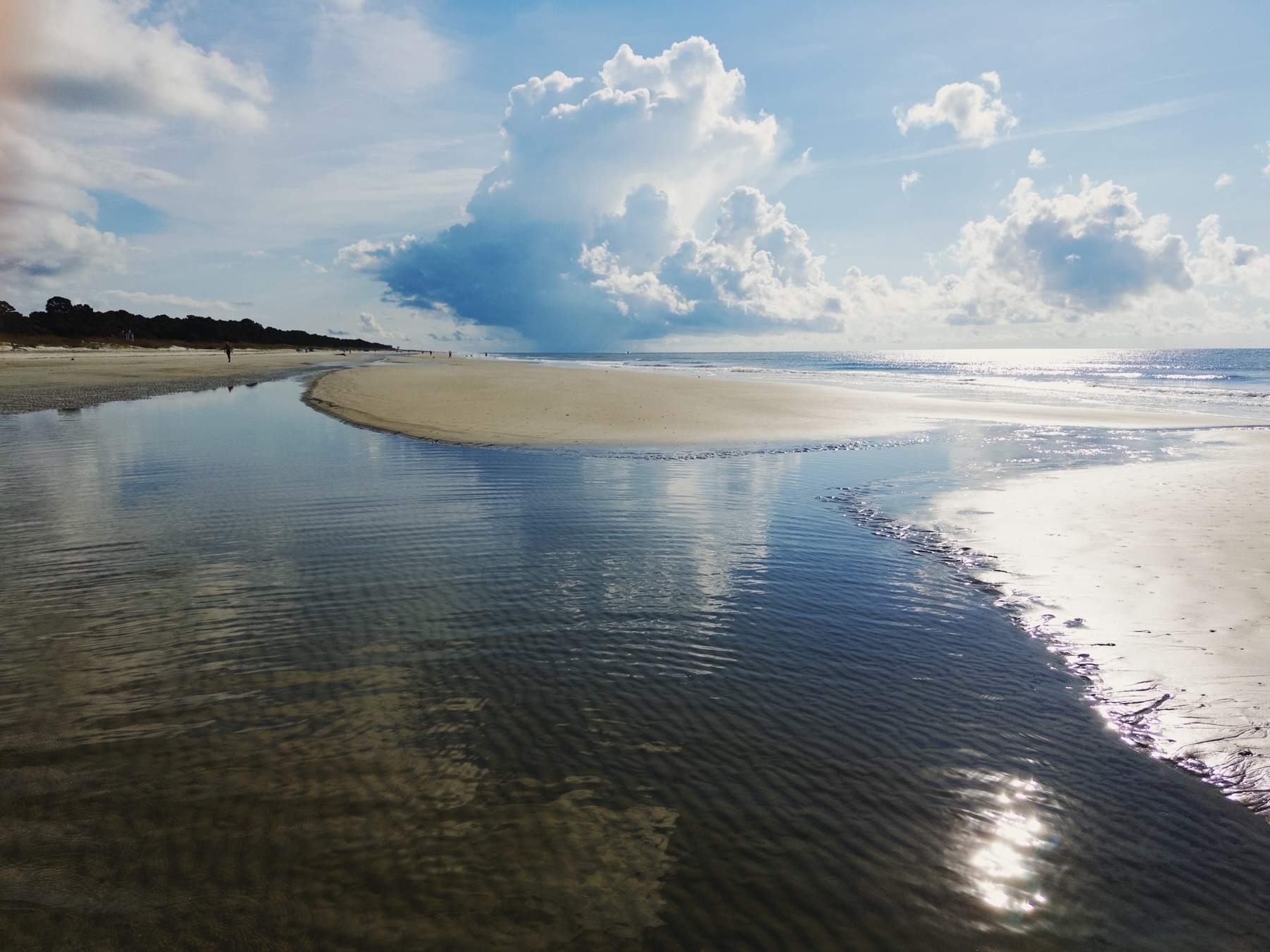
  • A serene beach scene with a partly cloudy sky. Calm water reflects the clouds above, and a narrow sandbar extends into the ocean. Distant figures walk along the shore with trees lining the horizon.

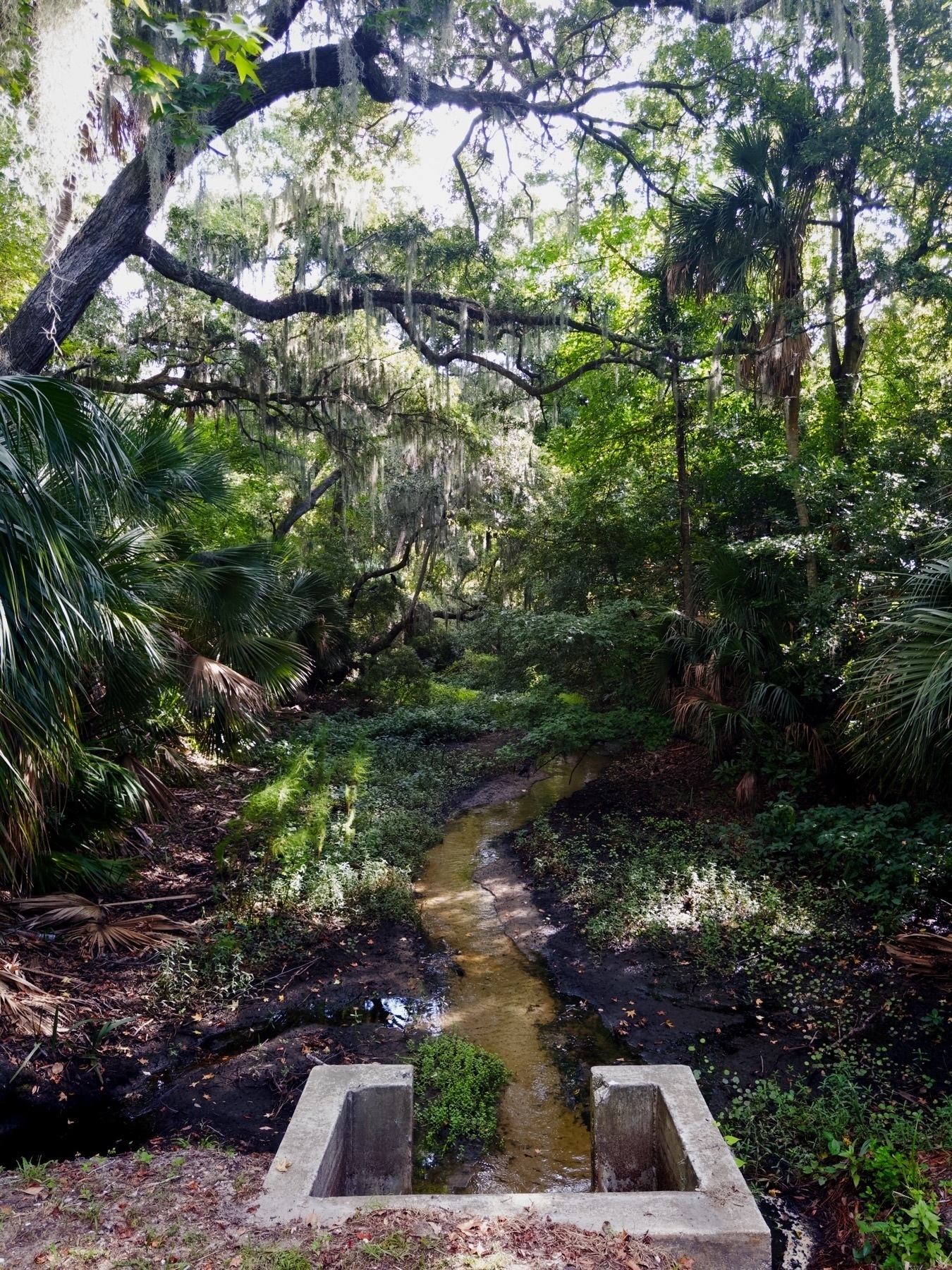
    A narrow stream flows through dense, lush vegetation in a forested area. Large trees with hanging moss and various plants surround the stream. The image is viewed from a concrete structure at the edge of the stream.

    Hilton Head, South Carolina

  • Testing out Threads cross posting from Micro.blog!

  • Finished reading: Dune by Frank Herbert 📚

  • Switched my site’s footer over to the IndieWeb Webring 🕸️💍, check it out on doug.pub!

  • XOXO Roundup

    A quick roundup of a few posts from across my feeds about the last ever (🥺) XOXO Festival.

    ArtLung | Post-XOXO Ramble on Websites and Freedom: Everybody Comes To Ricks

    During XOXO, Andy Baio said “Every one of you should have a home on the web not controlled by a billionaire.” Cabel Sasser recommended that we all “put up the dang portfolio.” Molly White asked us to think back to “when was the first time you thought the web was magic?”

    Molly White | XOXO and that feeling

    I mentioned that I’ve been feeling this a lot over the last few years, even as I too am witnessing what many of us think about as “the web” rotting right in front of our eyes. Working outside of that rot pile, and perhaps motivated by it, there are so many people who are excited about the potential for a better web.

    Grep Jason | XOXO

    This conference festival experience was incredible. There were amazing talks and demonstrations from all over the Indieweb space. From the opening party and arcade to the tear-jerker of a closing speech, it was positive and pure emotional joy the whole way through.

    Kottke | Thanks, XOXO

    Thanks to Craig Mod for coming all the way from Japan to share the stage with me for a too-brief chat about membership programs. In the run-up to this, Craig and I had three extensive conversations about memberships, the open web, the value of writing your own software, Walt Disney’s corporate strategy chart, and many more things.

    Reading these posts, I got a dose of second hand excitement about the open web and the energy to continue to build it into the thing we all want.

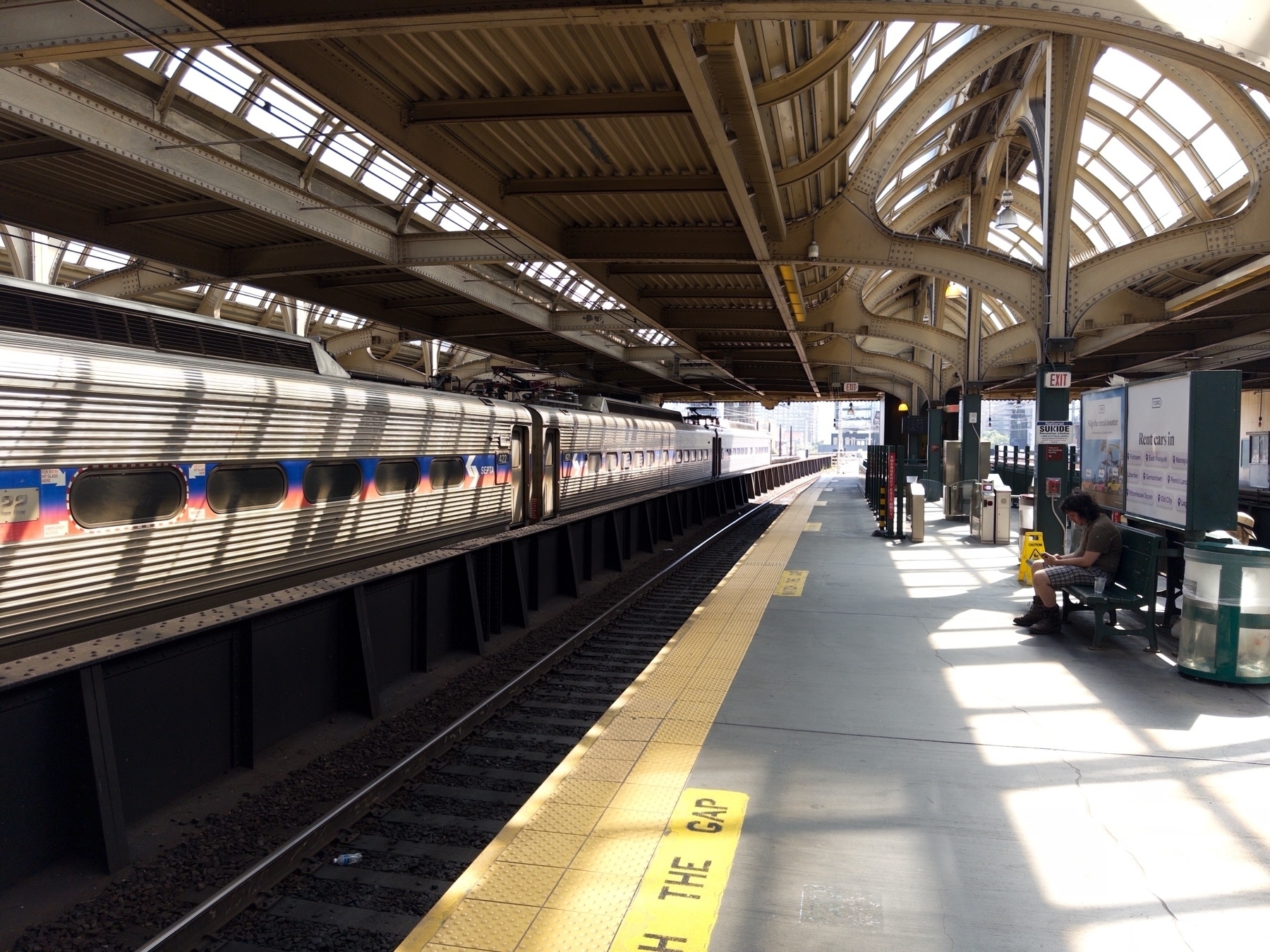
  • A train station platform featuring a metallic train with blue, white, and red stripe details. The platform has a yellow “WATCH THE GAP” warning strip along the edge. The station has an arched, ornate roof structure with skylights.

    In Philly for the weekend. I really like how Halide rendered the lighting in this photo.

  • A person walks on a moving walkway beneath a ceiling illuminated with colorful, abstract lighting. Other individuals are visible in the background of the corridor, which has a modern and artistic design.

    My favorite part of the Atlanta airport. Also, an excuse to try out Halide’s Process Zero.

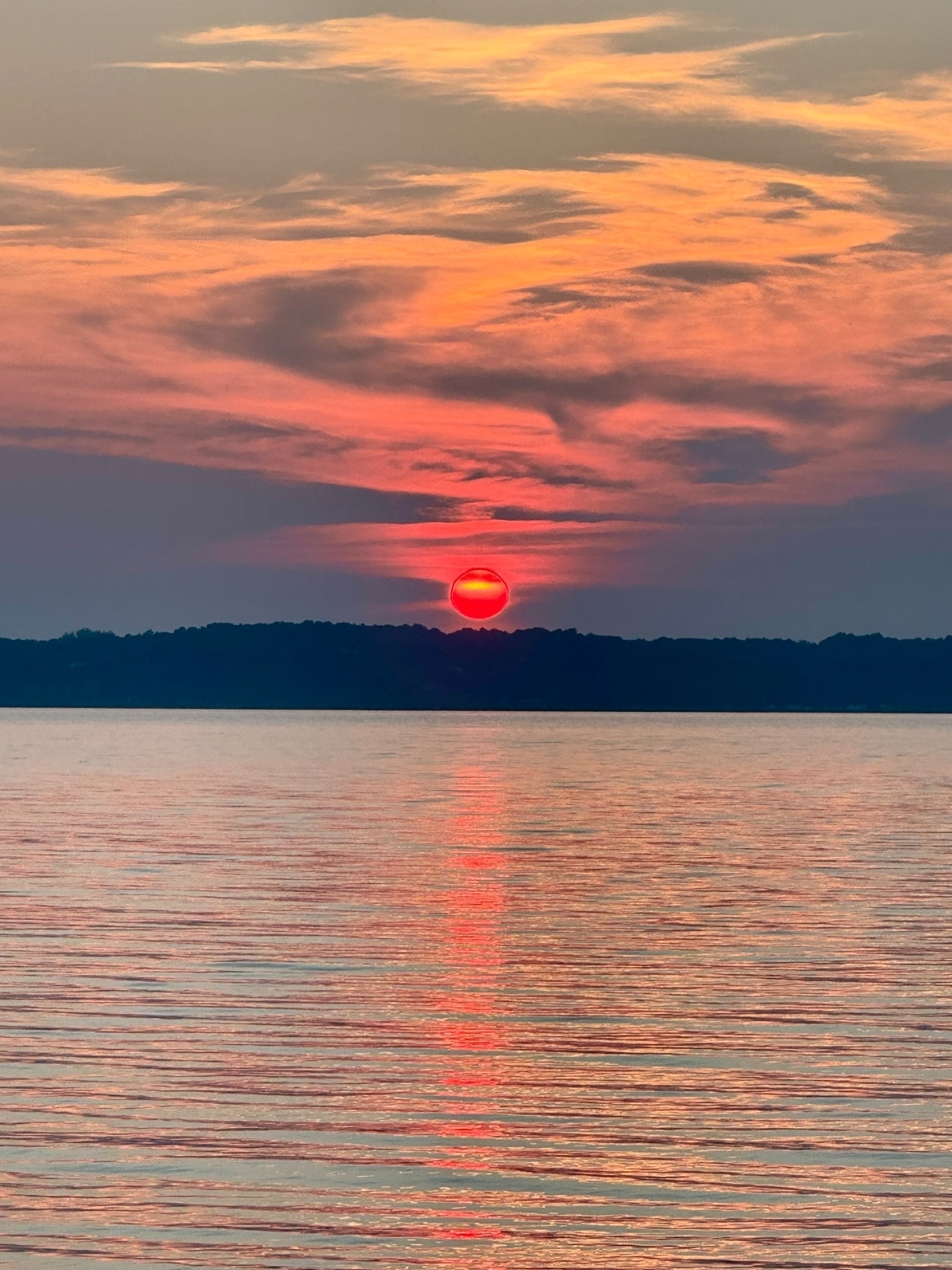
  • A vivid sunset with a bright red sun setting over a distant dark shoreline. Above, the sky is painted with shades of orange, pink, and purple clouds. The reflection of the sun creates a vertical red streak on the calm water below.

    Red Michigan sunset.

  • A brown slug is crawling on top of a white mushroom, which is resting on dry, fallen leaves and debris on the forest floor.

    Slug on a shroom.

  • The New Internet | Tailscale Blog

    You can’t build modern software without networking. But the Internet makes everything hard. Is it because networking has essential complexity?

    Well, maybe. But maybe it’s only complex when you built it on top of the wrong assumptions, that result in the wrong problems, that you then have to paper over. That’s the Old Internet.

    Interesting article describing how Tailscale sees the future of the Internet.

    I’m a Tailscale user for my personal network and I really do like how it provides peer to peer connectivity. But, I don’t think the New Internet should only have one provider.

  • Here’s what the web looked like in 1994 via Kottke

  • Announcing the Ladybird Browser Initiative

    Ladybird uses a brand new engine based on web standards, without borrowing any code from other browsers. It started as a humble HTML viewer for the SerenityOS hobby project, but since then it’s grown into a full cross-platform browser project supporting Linux, macOS, and other Unix-like systems.

    Cool!! Was not expecting to see a new, from scratch, browser engine come into existence!

  • On fighting AI bots

    Manu Moreale writes about fighting AI bots:

    I guess there are only two options left:

    1. Accept the fact that some dickheads will do whatever they want because that’s just the world we live in
    2. Make everything private and only allow actual human beings access to our content

    And Molly White responds:

    One advantage to working on freely-licensed projects for over a decade is that I was forced to grapple with this decision far before mass scraping for AI training.

    In my personal view, option 1 is almost strictly better. Option 2 is never as simple as “only allow actual human beings access” because determining who’s a human is hard.

    Molly’s perspective really resonates with me. I like the comparison to open source software, where a freely licensed project could always be used by companies in for-profit products. However, what’s missing from the open web is some standards around licensing with regard to AI models. Just because something is free to read, doesn’t mean it’s free to use in any way, including ingestion into an LLM.

    I’m wondering, what if there was something like the GPL, but for text and images used as training data? This might work something like: it’s ok to use my content to train your model, as long as the model you produce is freely shared back with the public. It’s not ok to train on my content if your model remains private.

    Of course, there are content producers who would not be ok with their data included in any sort of AI training, and that’s totally fine. It’s their work, they can decide how to license it. What’s missing is a standard way for them to declare this (and for LLM builders to respect that).

    The other aspect of Molly’s post that resonated with me is trying to fight bots while letting all the humans view your content. In my last job, I worked for a few years on our “traffic” team, which was responsible for, among other things, some technology to block bots and other crawlers. We ran these systems this for things we found abusive (like DDoS’s or bots that put too much load on our servers), rather than trying to limit access to just humans. But, the fundamental problem is shared: trying to separate legit traffic from stuff that should be blocked. It’s really not easy to do this, especially if you consider some non-human traffic important. (Like Google’s crawler!) So, you’ll most likely want to err on the side of letting things through, if you aren’t absolutely sure it’s something you want to block. Which means that any AI crawler that isn’t playing nicely (respecting robots.txt, providing a clear user-agent, etc.) will probably slip through your defenses anyway.

  • JWZ | Mozilla’s Original Sin:

    Some will tell you that Mozilla’s worst decision was to accept funding from Google, and that may have been the first domino, but I hold that implementing DRM is what doomed them, as it led to their culture of capitulation. It demonstrated that their decisions were the decisions of a company shipping products, not those of a non-profit devoted to preserving the open web.

    Sad to see Mozilla’s decline. I can’t help but wonder, which browser is left carrying the torch of the open web?

    I’ve been using Safari more, as I feel it’s most aligned with my interests and tastes these days. But I’m not sure Apple is the best steward of the open web, since this platform tends to compete with their App Store platform.

    So, who’s left? Certainly not Google and Chrome.

  • @Westenberg | RSS: The forgotten protocol that still matters​​​​​​​​​​​​​​​​

    Using an RSS reader restores a sense of deep satisfaction, control and personal connection to the web that many folks have forgotten - or never experienced in the first place. RSS makes you the curator, the arbiter of your own attention.

    I ❤️ RSS

  • Travel Report: Italy in Review 🇮🇹

    Hello from Delta flight 67 Rome to Atlanta!

    Now that our time in Italy has wrapped up, I thought I’d try to compile some thoughts on our overall experience in Italy. This was my first time traveling in Italy. I’ve been wanting to visit for some time since I love Italian food and I have some heritage in Italy via my mother’s side of the family (according to my DNA report, I’m just under 25% genetically Italian heritage). And, for various reasons, the Italian culture is the one that has prevailed in my family’s traditions. So, the trip was more meaningful to me than most.

    In short, our time in Italy was fantastic! The food and scenery both exceeded my expectations. The food especially just seems so much better than what we have access to in the US. Even simple, raw ingredients, like a tomato, tasted much better than anything I’ve had before. And for more complex ingredients like olive oil and cheese, well, Italy is just producing stuff on another level compared to America. I’m definitely returning home feeling inspired to do what I can to find local, fresh ingredients for meals at home.

    One experience that is really sticking with me is making pasta in our airbnb. The host provided the ingredients and suggested a simple preparation of just olive oil and cheese crumbled on top, which is what we did. We simply cooked the orecchiette in salted water, topped it with olive oil, salt, and crumbled cheese. We added fresh tomatoes as garnish. This dish was fantastic! And it took all of 15 minutes to prepare. I’ve cooked a lot of pasta at home in the US and I’ve never had something be so easy and incredibly delicious. There was no skill on our part, so the only explanation is really great ingredients.

    Looking back to the places we visited, in order: Rome, Florence, Tuscany, Puglia. I don’t think I can pick a favorite. In fact, I think a highlight was visiting multiple regions and seeing the differences in food and culture. We learned about Italian history and how most cities (and the regions around them) were distinct with their own cultures and dialects until Italian unification in 1861. Even to this day, these regional differences carry on. We learned of a few different dialects and how different they are from one another. So, if you visit Italy, I’d definitely suggest visiting a few regions to experience these differences.

    In Rome, we loved seeing the ancient Roman history in the Colosseum and Imperial Forum. It’s amazing to have a view onto this ancient civilization and see the city they built. It’s also incredible to think that Rome has been inhabited continuously since antiquity. We also enjoyed modern Rome, meaning it’s a vibrant city beyond the touristy parts. This means you can find authentic, local food without too much trouble. Some of our favorite dishes were in Rome.

    Florence was amazing to see the art and the beautiful Renaissance era buildings and streets. If you stay in the central part of the city, it’s very walkable. Florence is also very touristy, every street is filled with tourists. It’s not necessarily a bad thing, but is the reality of visiting the historic parts of Florence. The food can be great here too, we had one of the best meals of our trip here. So, it’s certainly possible to avoid tourist traps and find great places.

    Tuscany was beautiful. Just driving through the countryside, or even better, biking through it, gives you so many scenic views. I enjoyed that we got to stay at a farmhouse and enjoy some agritourism while we were there. Visiting all the small Tuscany towns was very fun too, each one has its own unique history and feel to it. Of course, the food is great in Tuscany. We loved the handmade pici pasta, and had one of the best cacio e pepe dishes of our trip in Tuscany. The wine is great here too, and it was fun to visit a few vineyards and see exactly where the grapes came from.

    Finally, our time in Puglia was great as well. While both Puglia and Tuscany are heavily into agriculture, I think Puglia exceeds Tuscany in this regard, giving you access to fresh, local foods almost everywhere you go. In fact, many of the foods we had in Puglia were the best on our trip. We loved the bread (especially the focaccia), cheese, meats, and seafood here. Puglia is also a lot less touristy than Tuscany, especially if you get away from the coast and head inland. Our e-bike tour through Puglia was one of the best rides of my life. The Pugliese countryside is beautiful in its own, unique way. I also loved the cities rendered in white, from the cobblestone streets to the buildings. Puglia definitely felt as if it could have been a different country from Tuscany and the cities of Rome and Florence.

    So, overall the trip was great! I’m already thinking about when we might be able to return to Italy. I’m definitely going to miss the great food (and lack of humidity) after returning home!

    Housekeeping and thoughts on blogging

    Just a quick housekeeping note: I’ve gone back and added categories to all these Travel Report posts to make it easier to find them and read any that were missed:

    You can find these categories and all my prior posts on the Archive page.

    This trip was the first time that I’ve tried blogging about travel and I’m very happy that I decided to do this. Not only has it been a nice way to share with family and friends what I’ve been up to, but I’m happy to have it for myself as a detailed log of what I did. It’s also been fun to reflect on every step of the trip and think of what I wan to write about and which photos I want to share. It’s been a fun creative outlet.

    So, thank you for following along! I hope you’ve enjoyed reading these as much as I did writing them. I don’t currently have any big trips planned in the future, but whenever I travel next, I think I’ll keep up with the travel reports. So, if you prefer to follow via email, you can subscribe here and receive posts shortly after I publish them. My About page also describes other ways to follow, such as RSS or ActivityPub/Mastodon.

    Ciao!